Signals
Signals
March 19, 2026 - May 22, 2026
Philadelphia
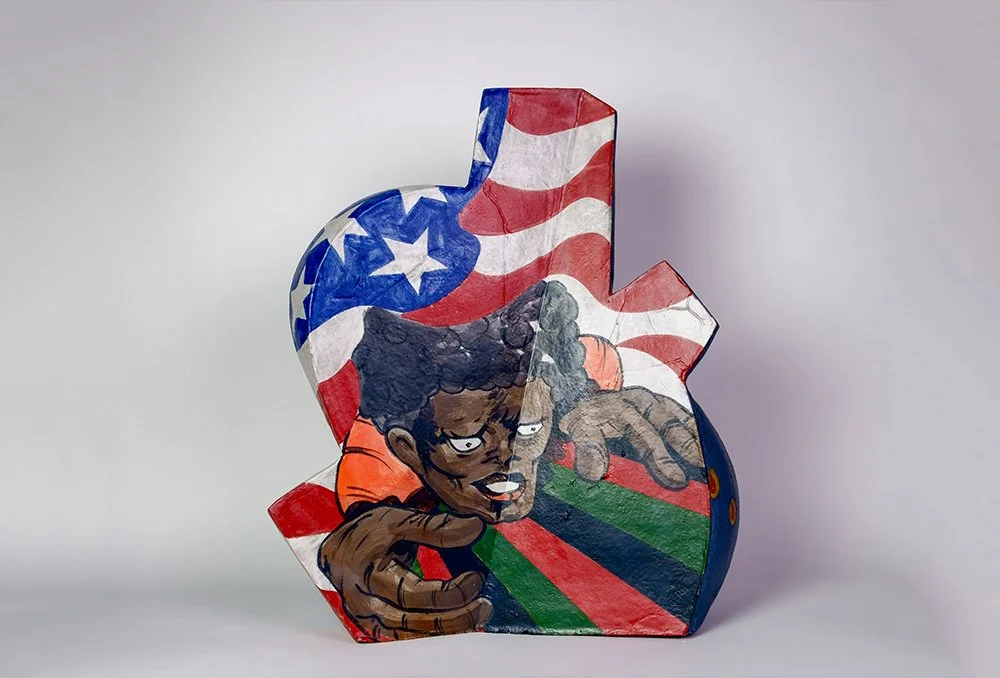
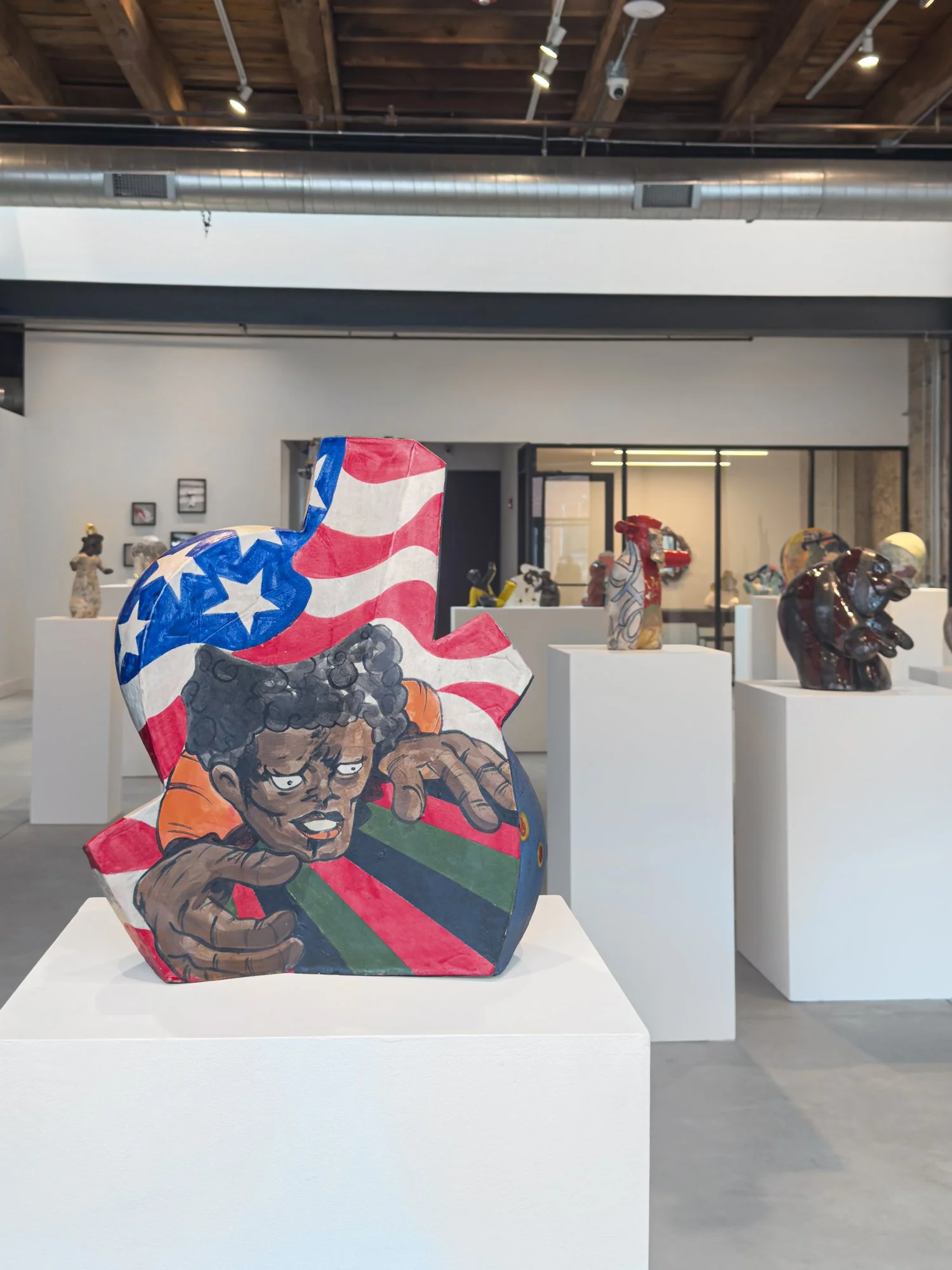
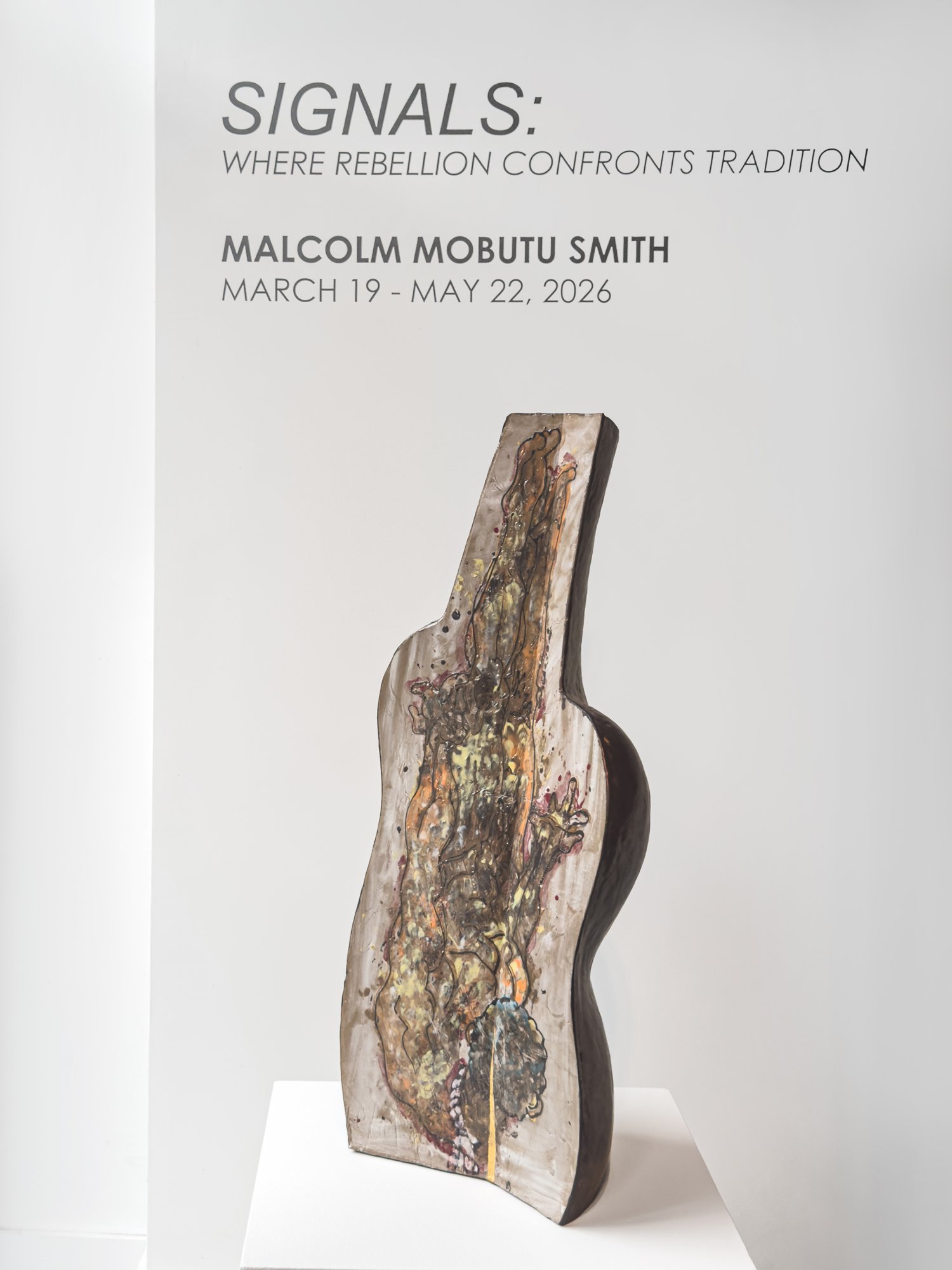
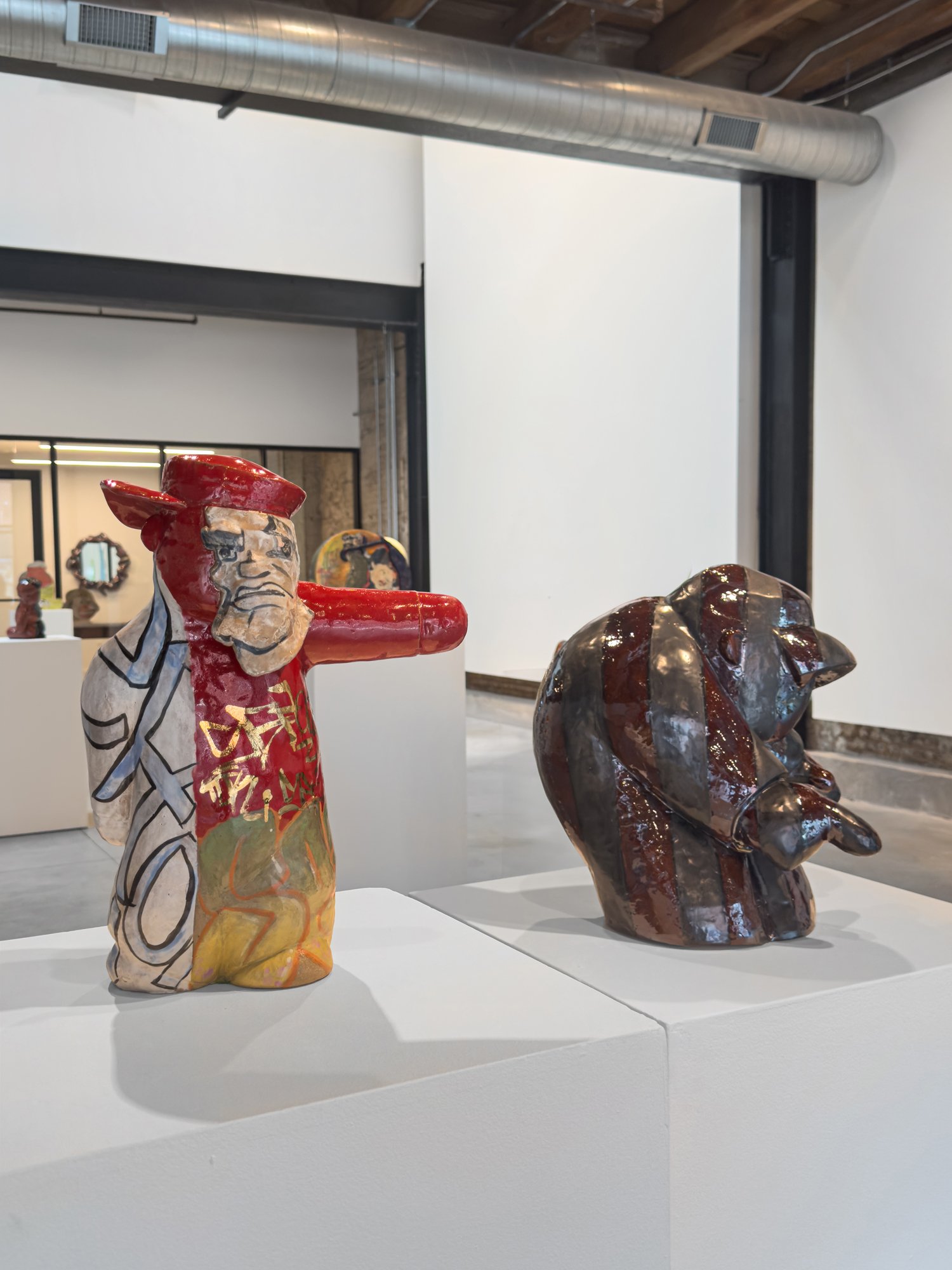
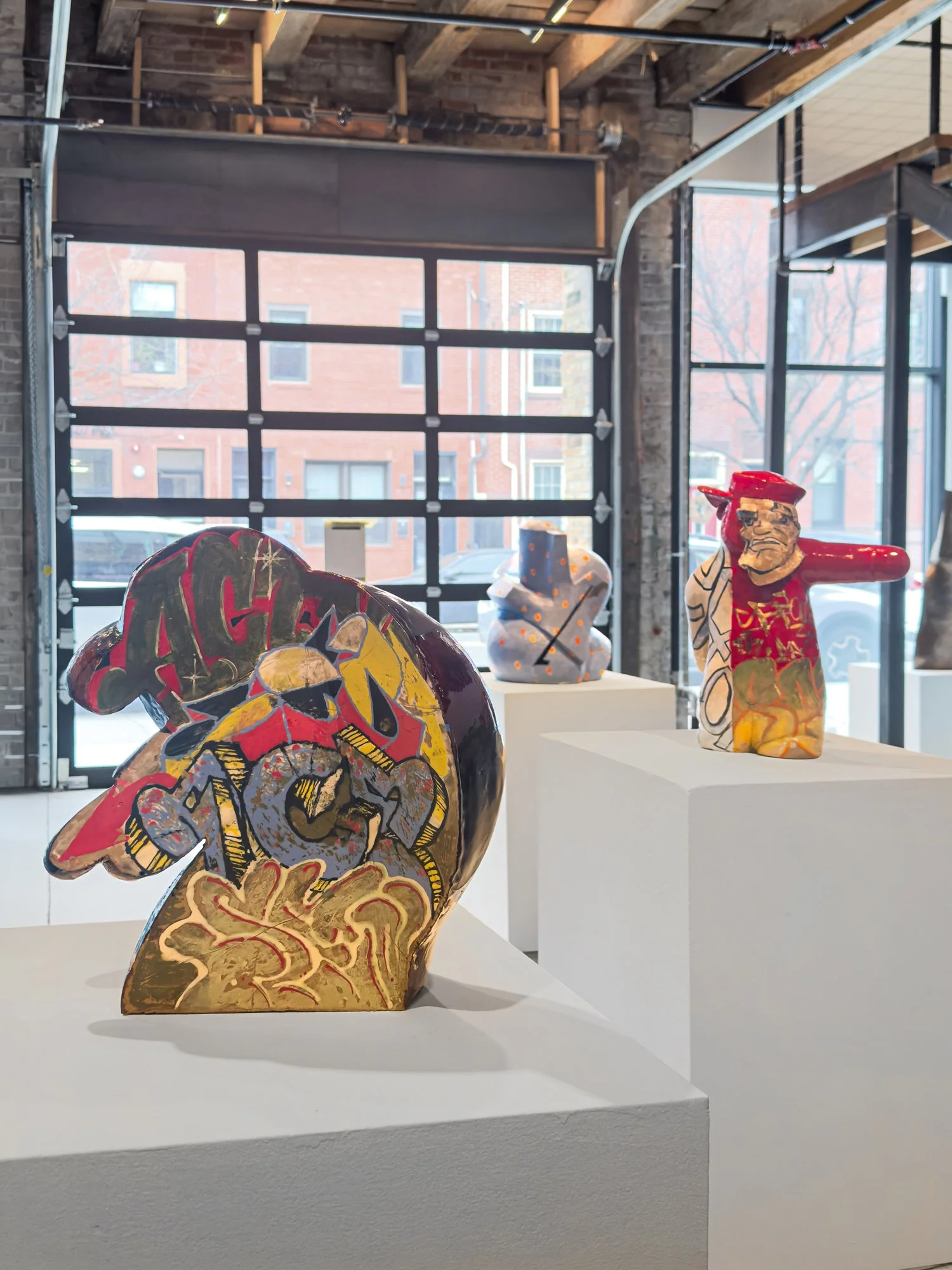
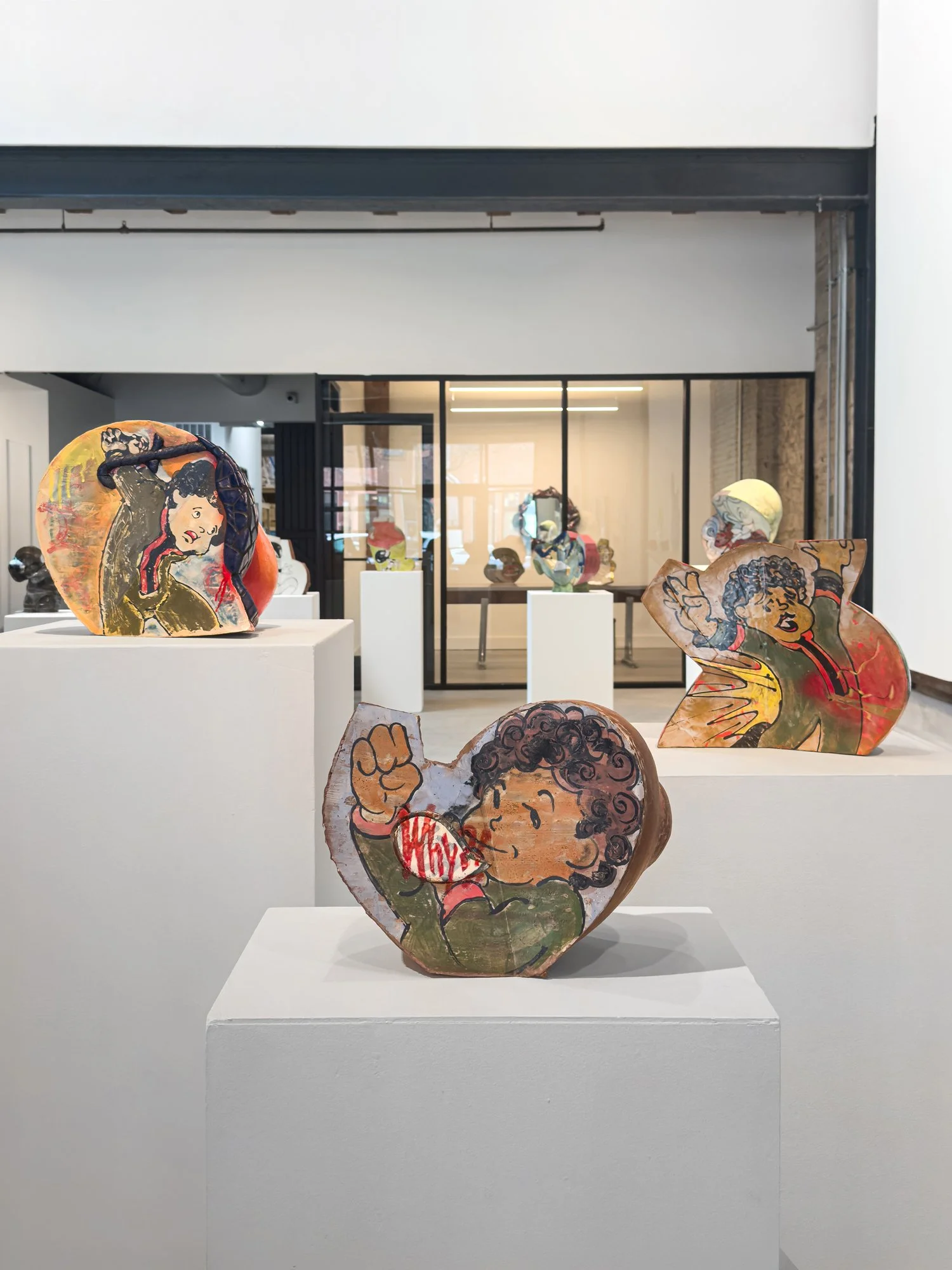
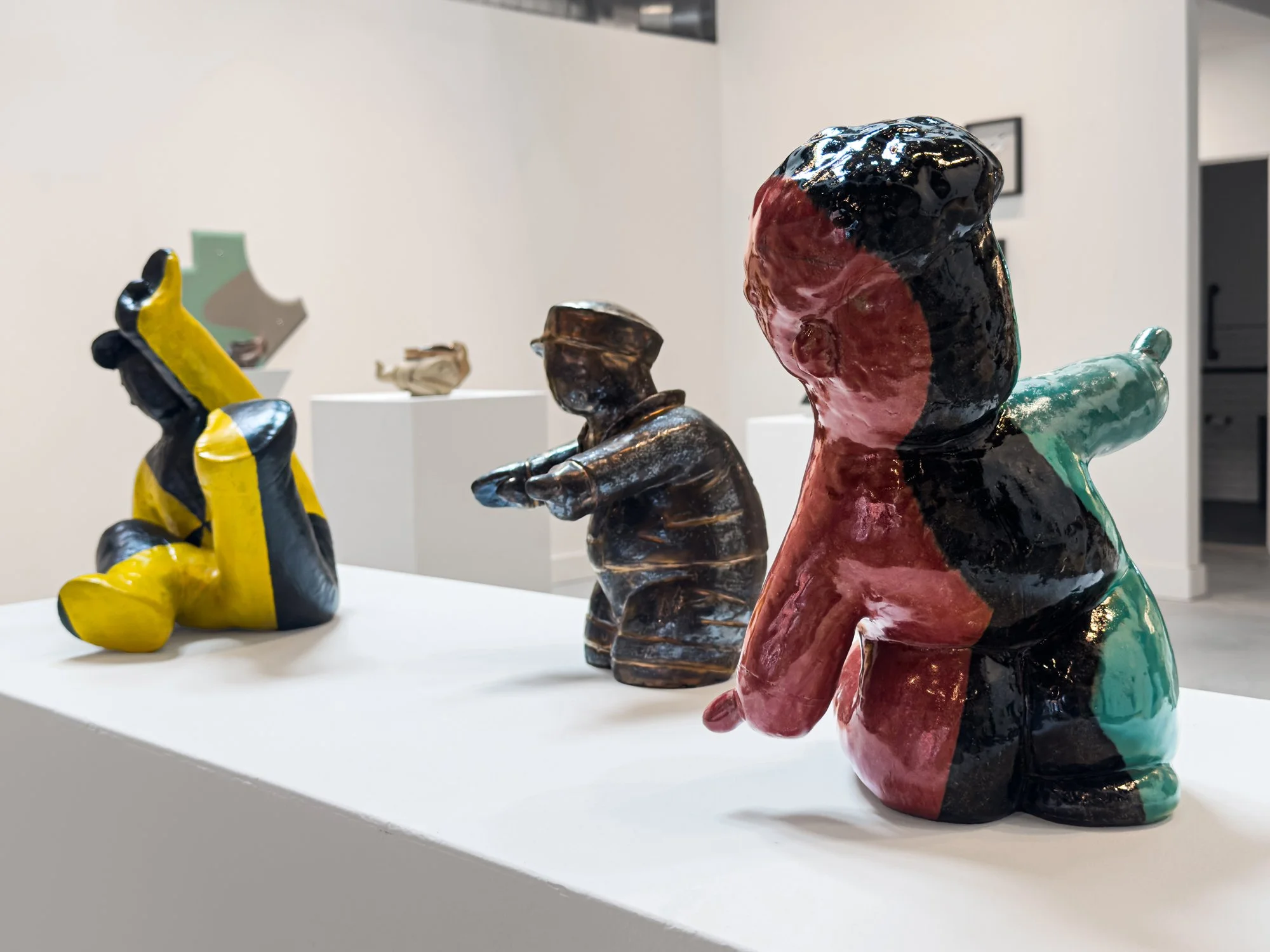
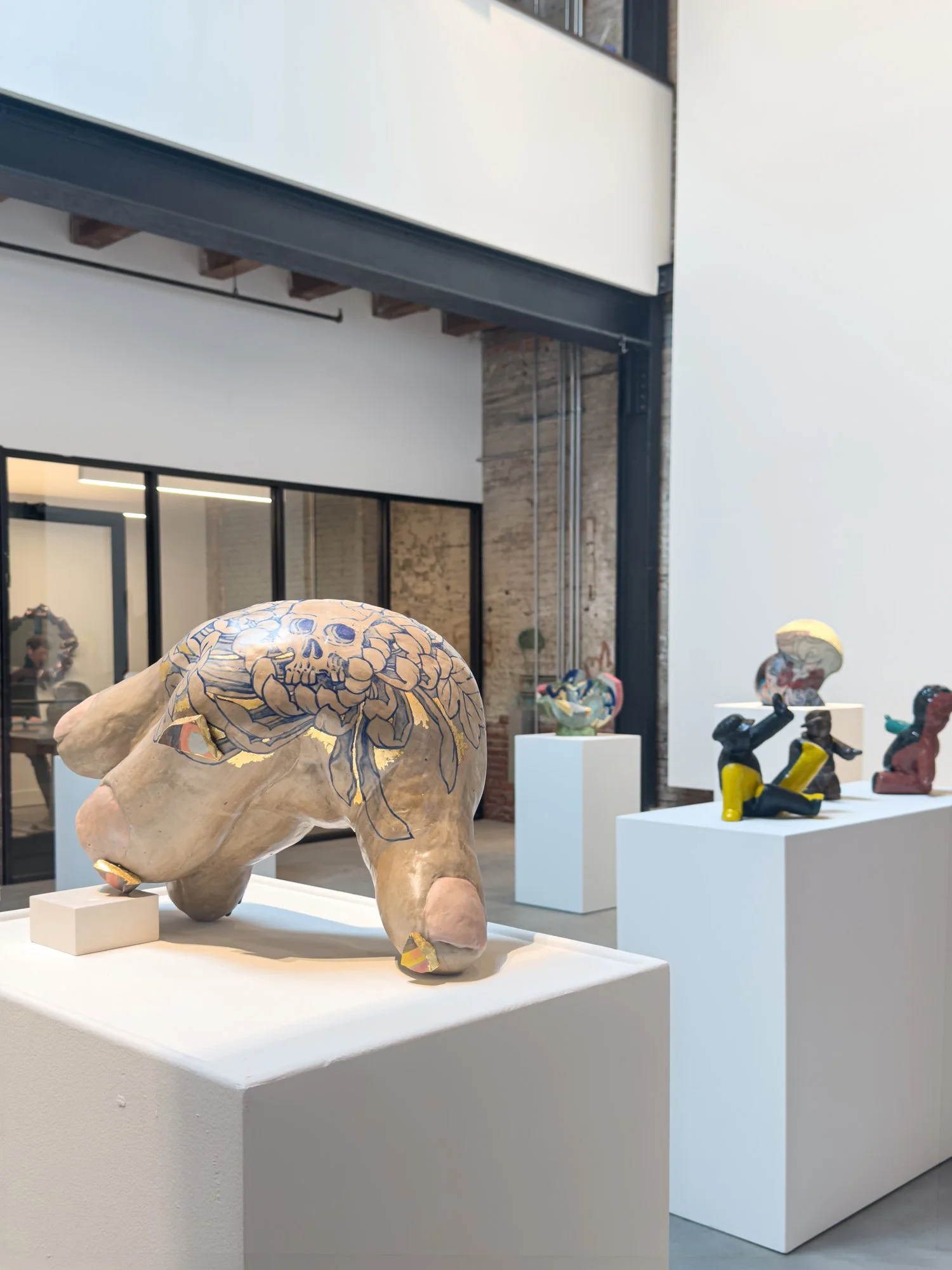
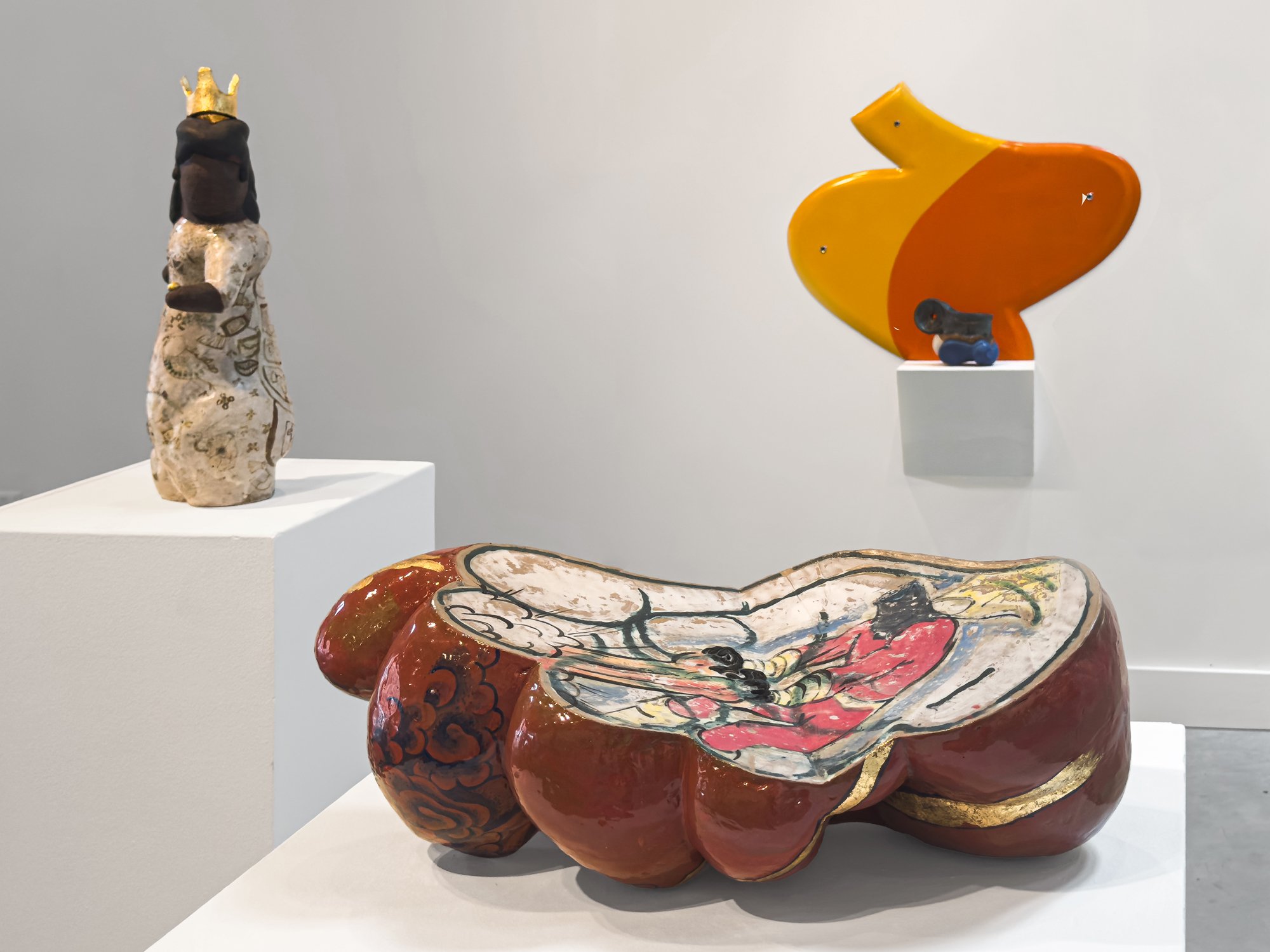
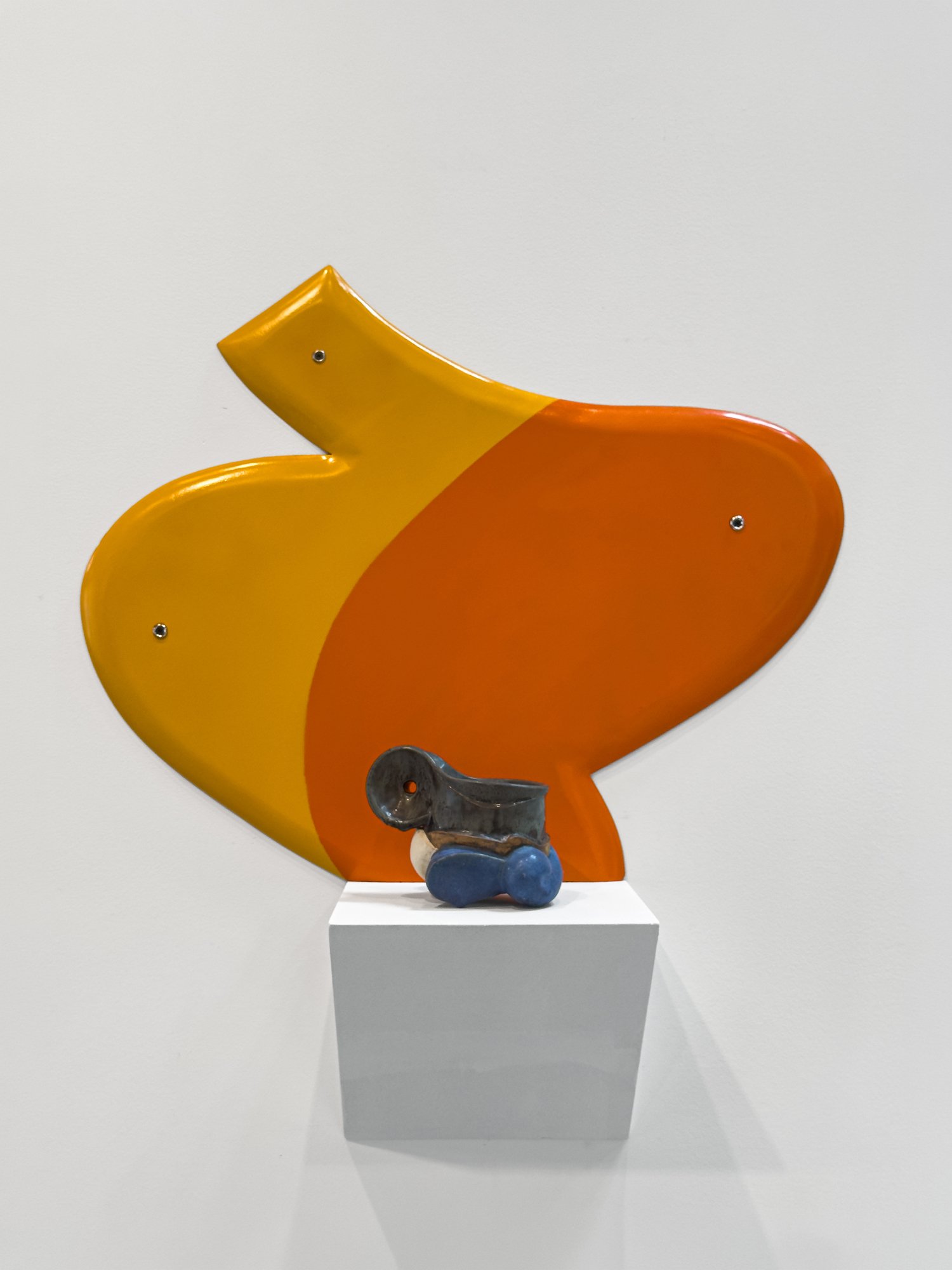
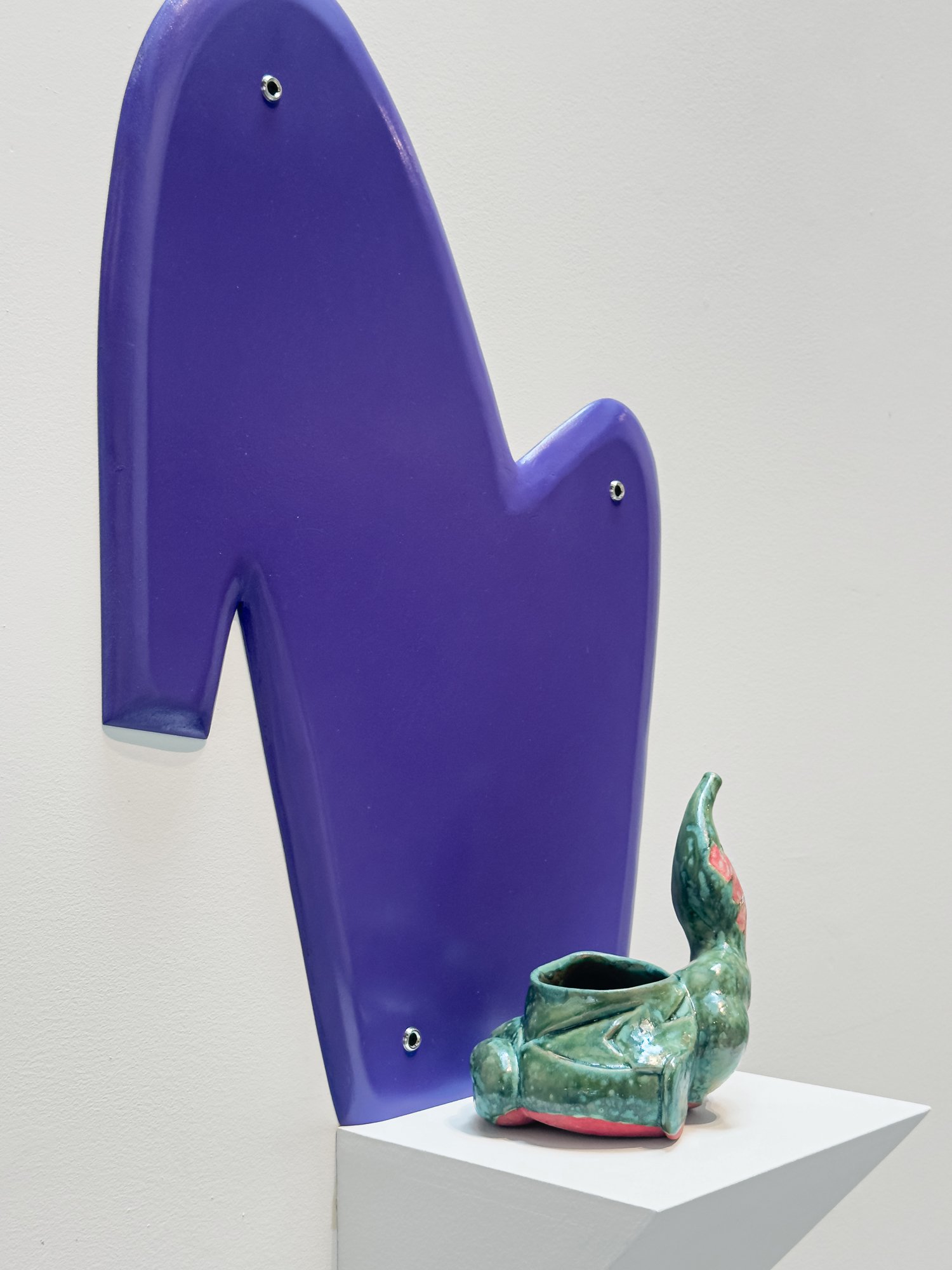
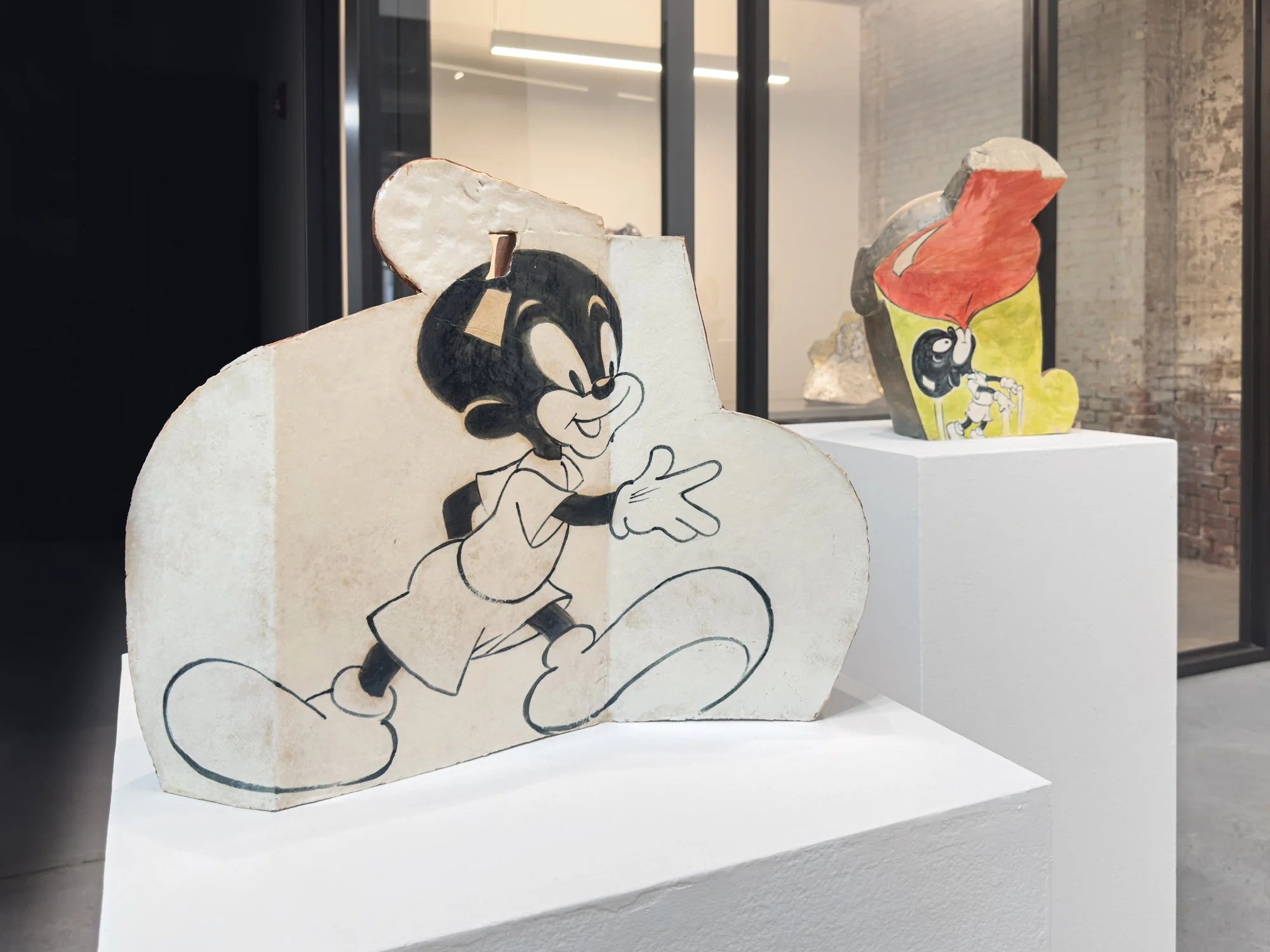
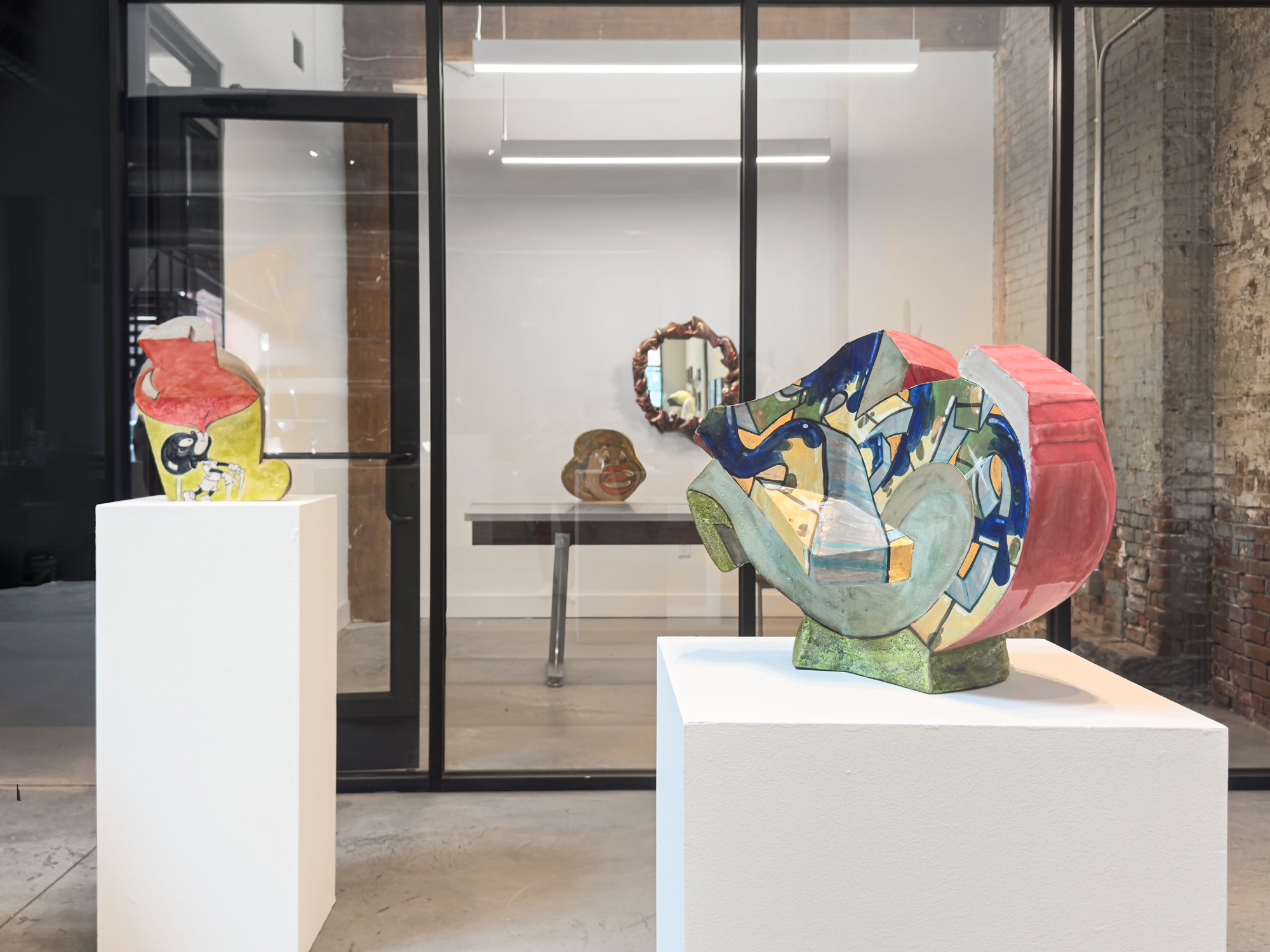
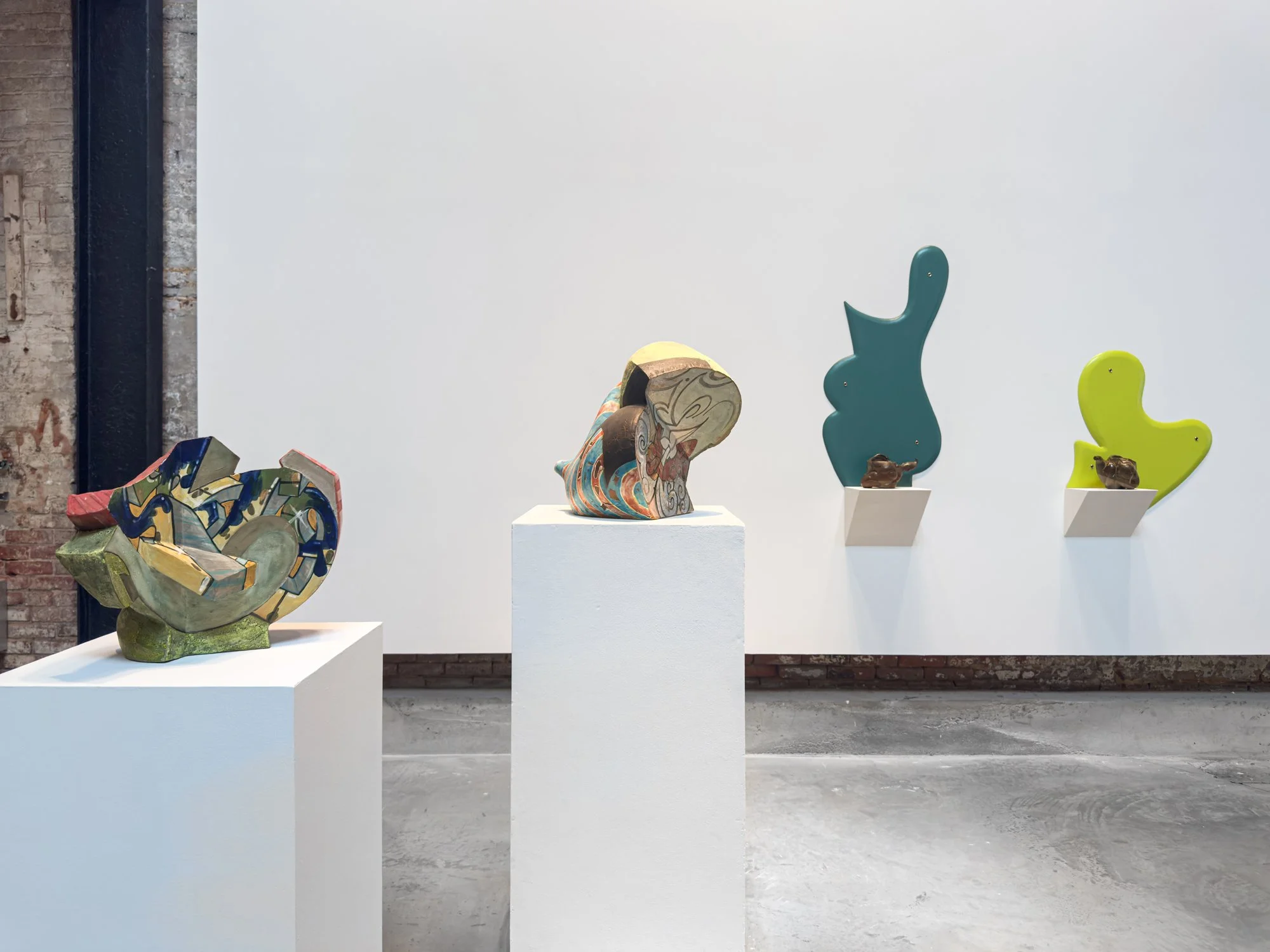
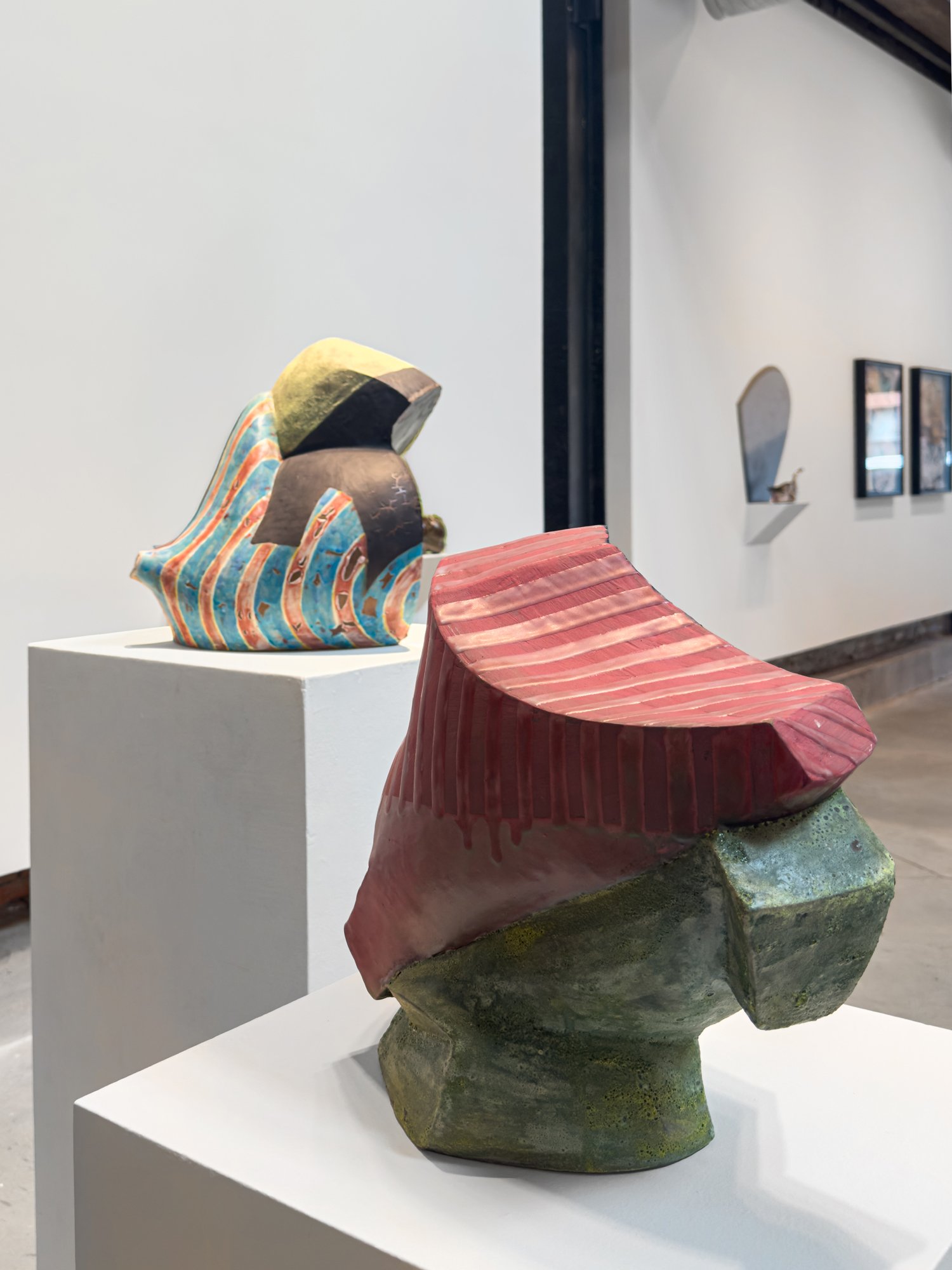
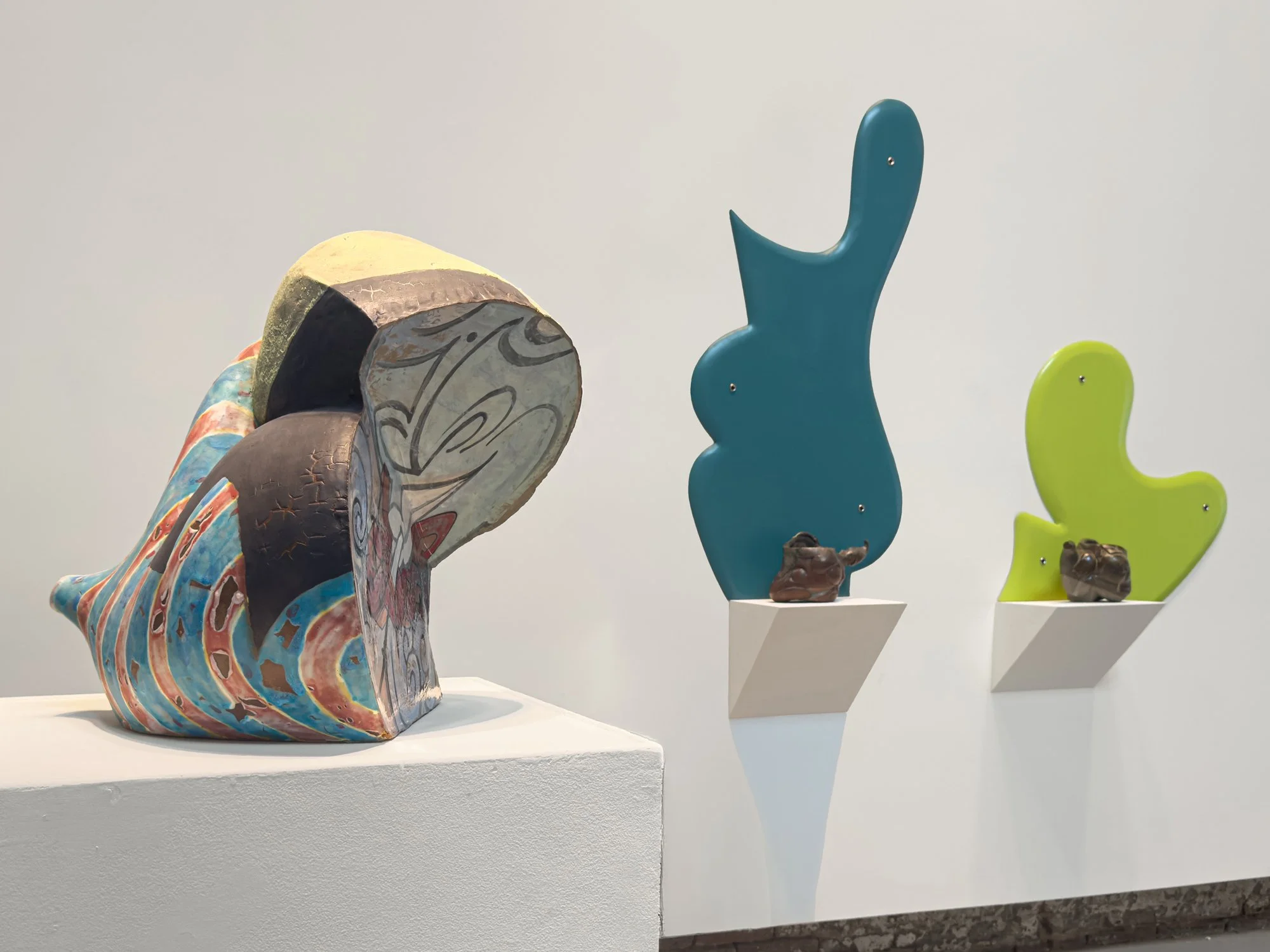
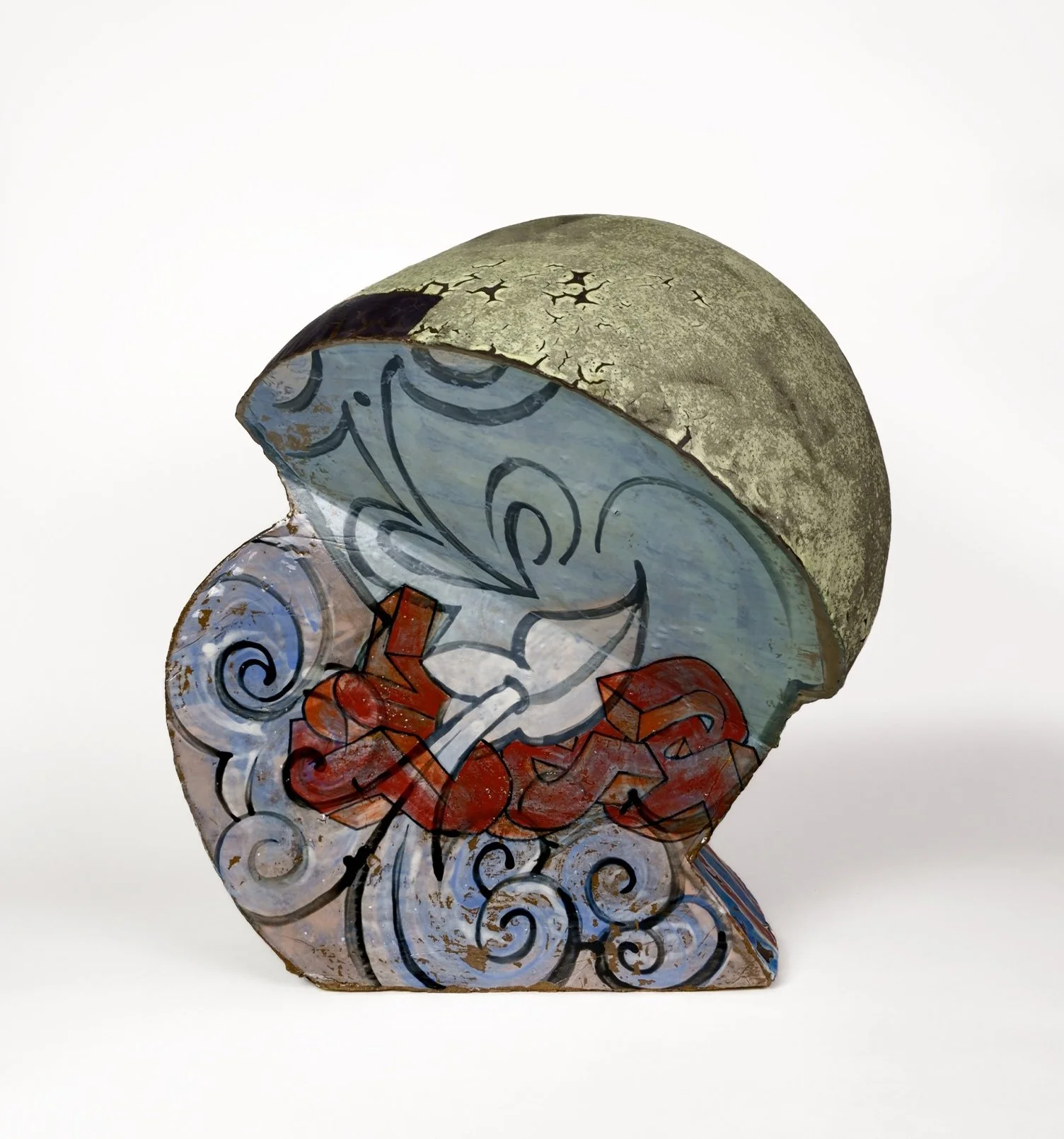
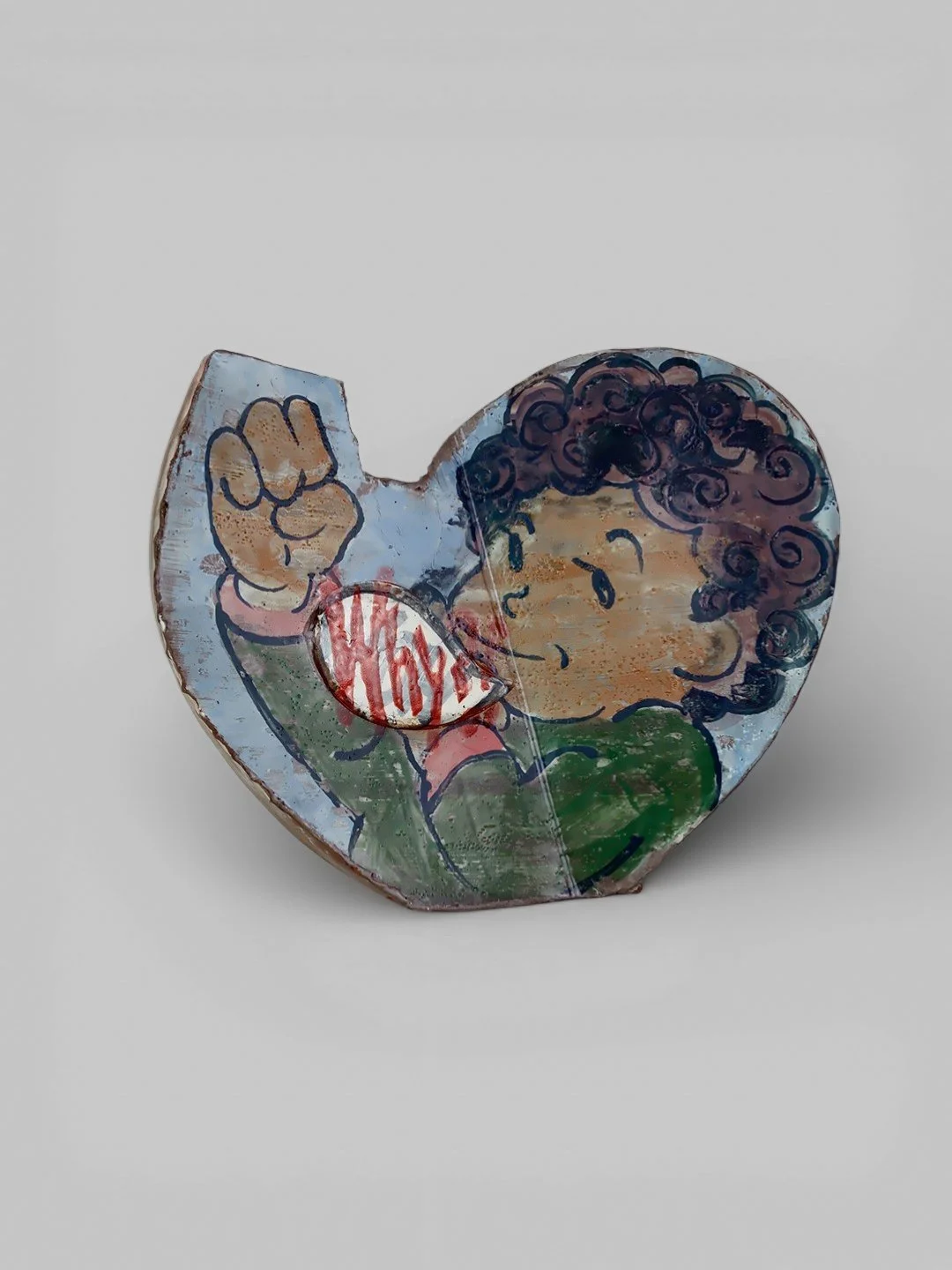
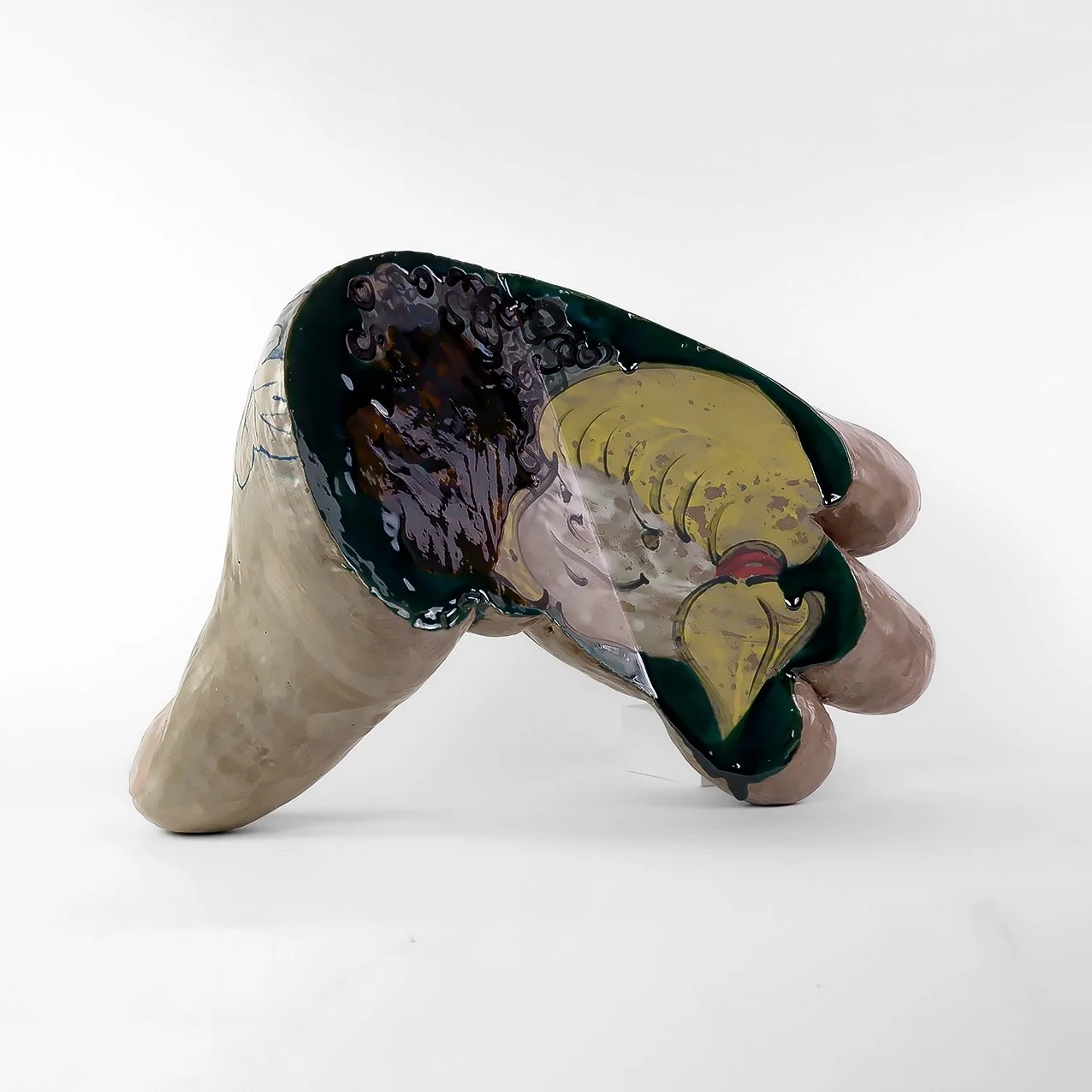
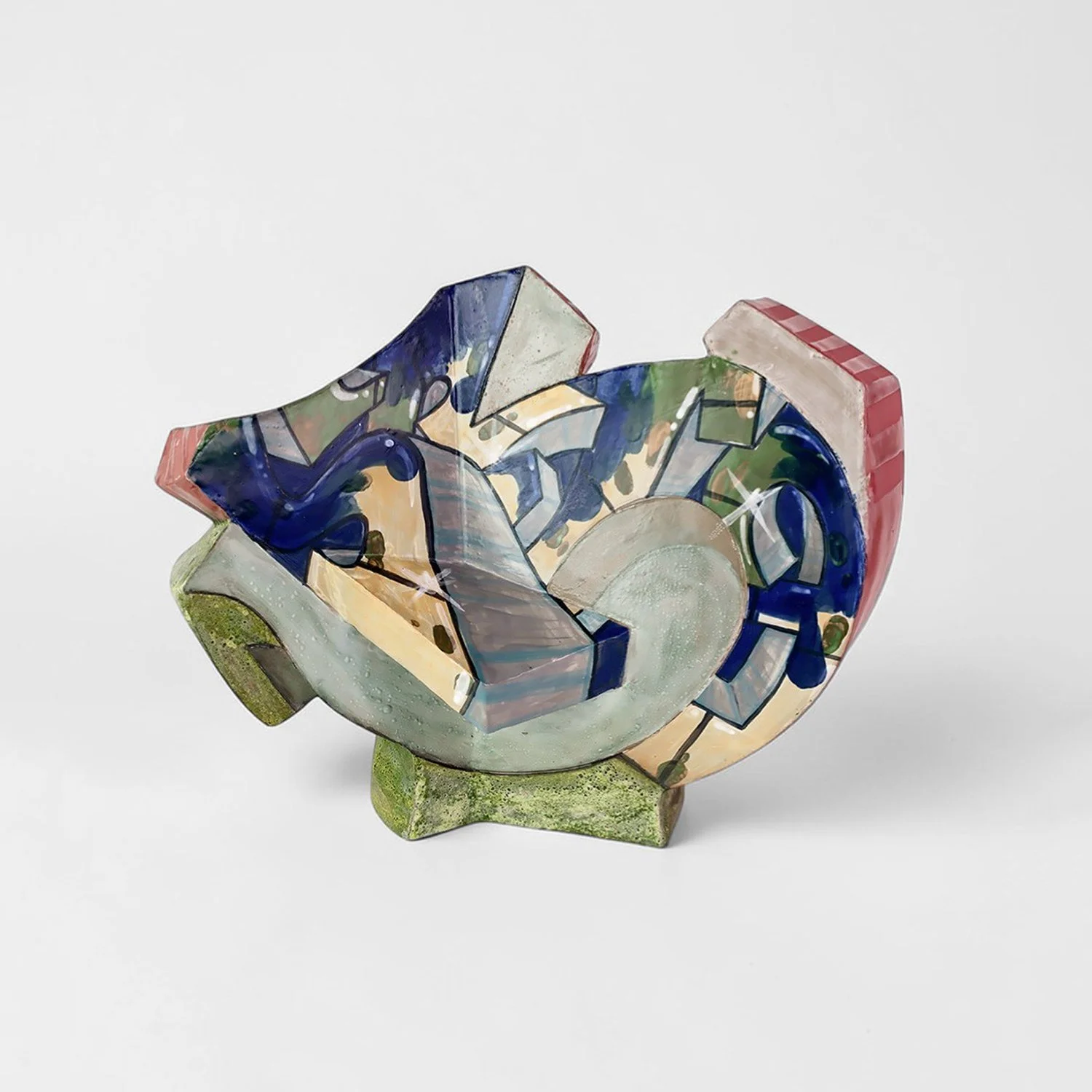
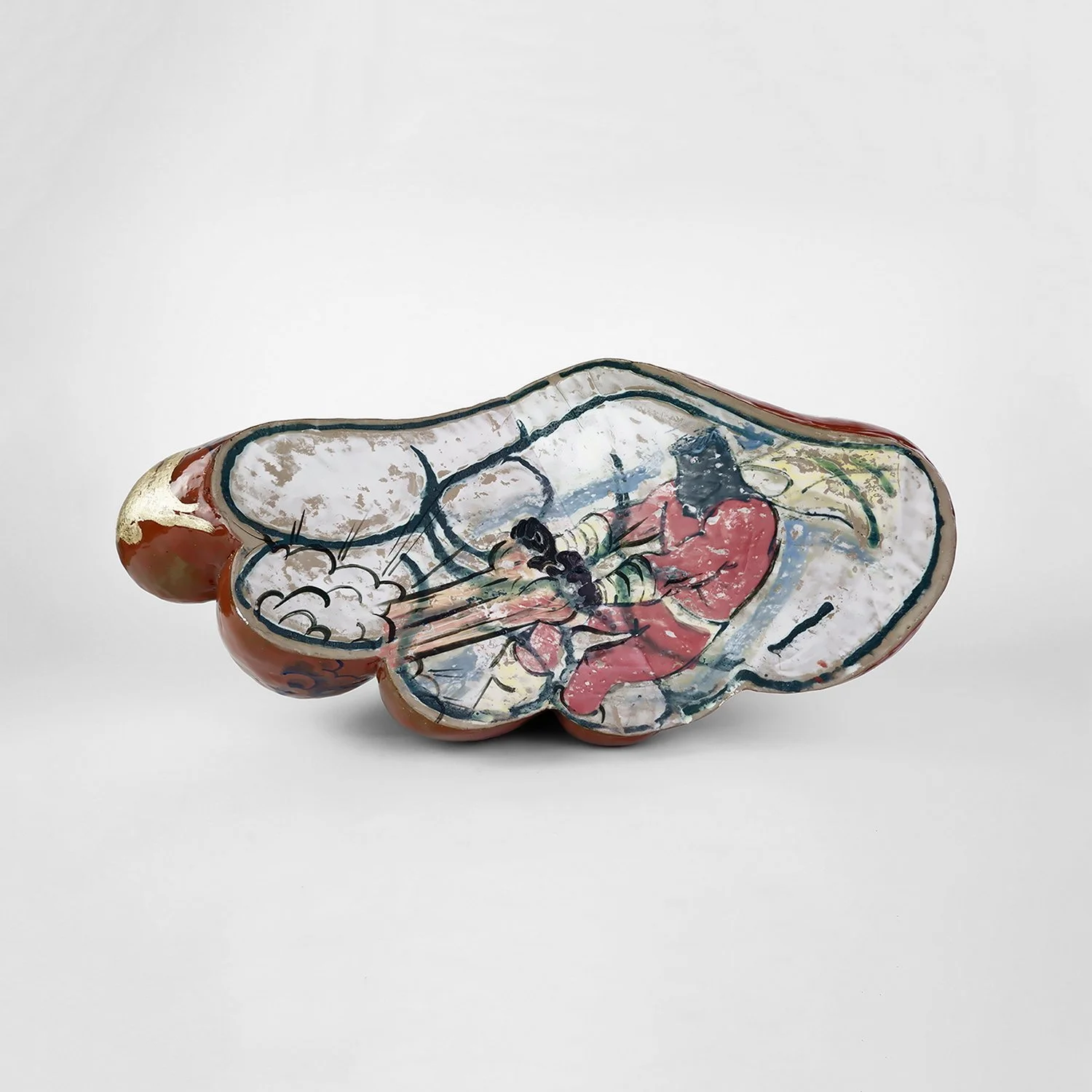
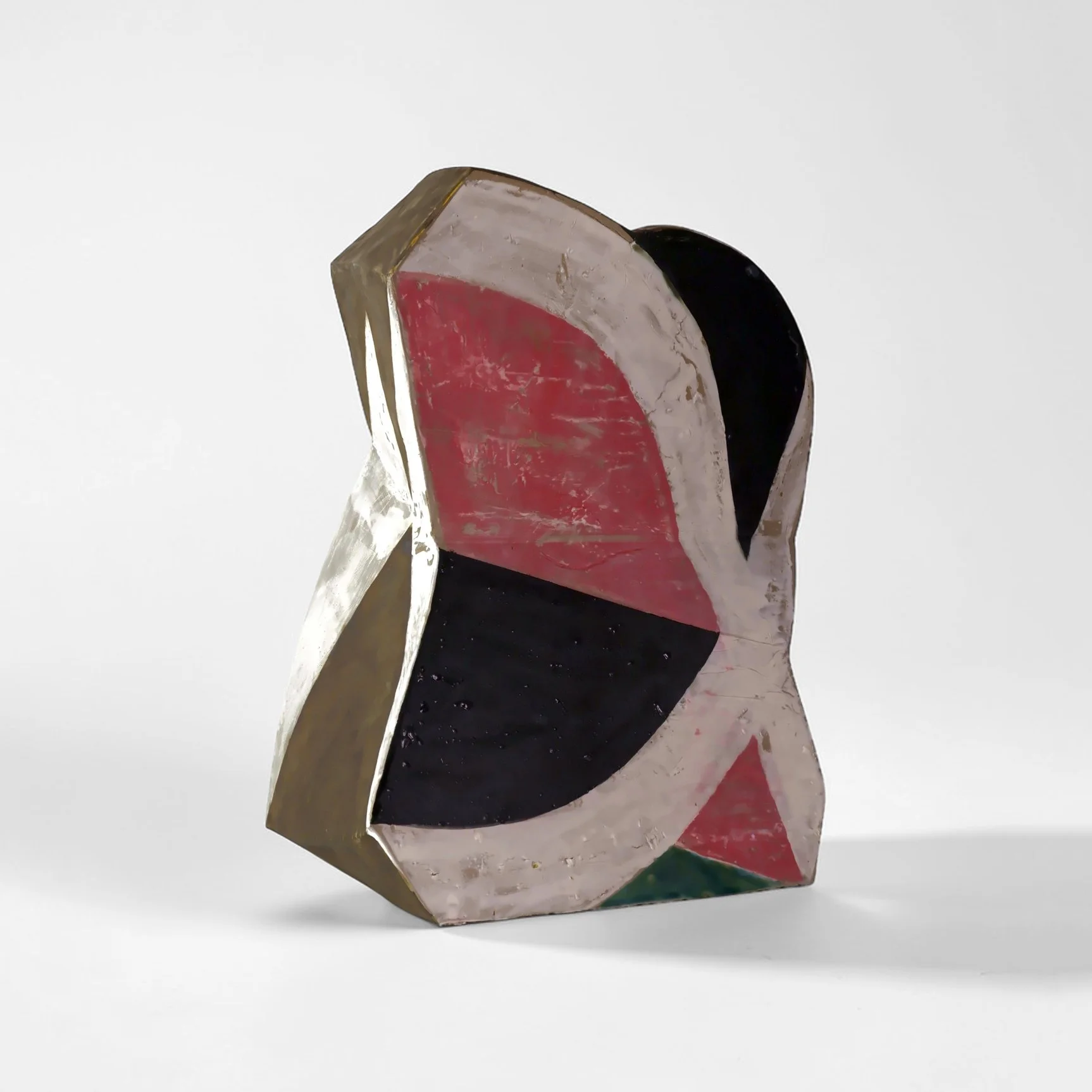
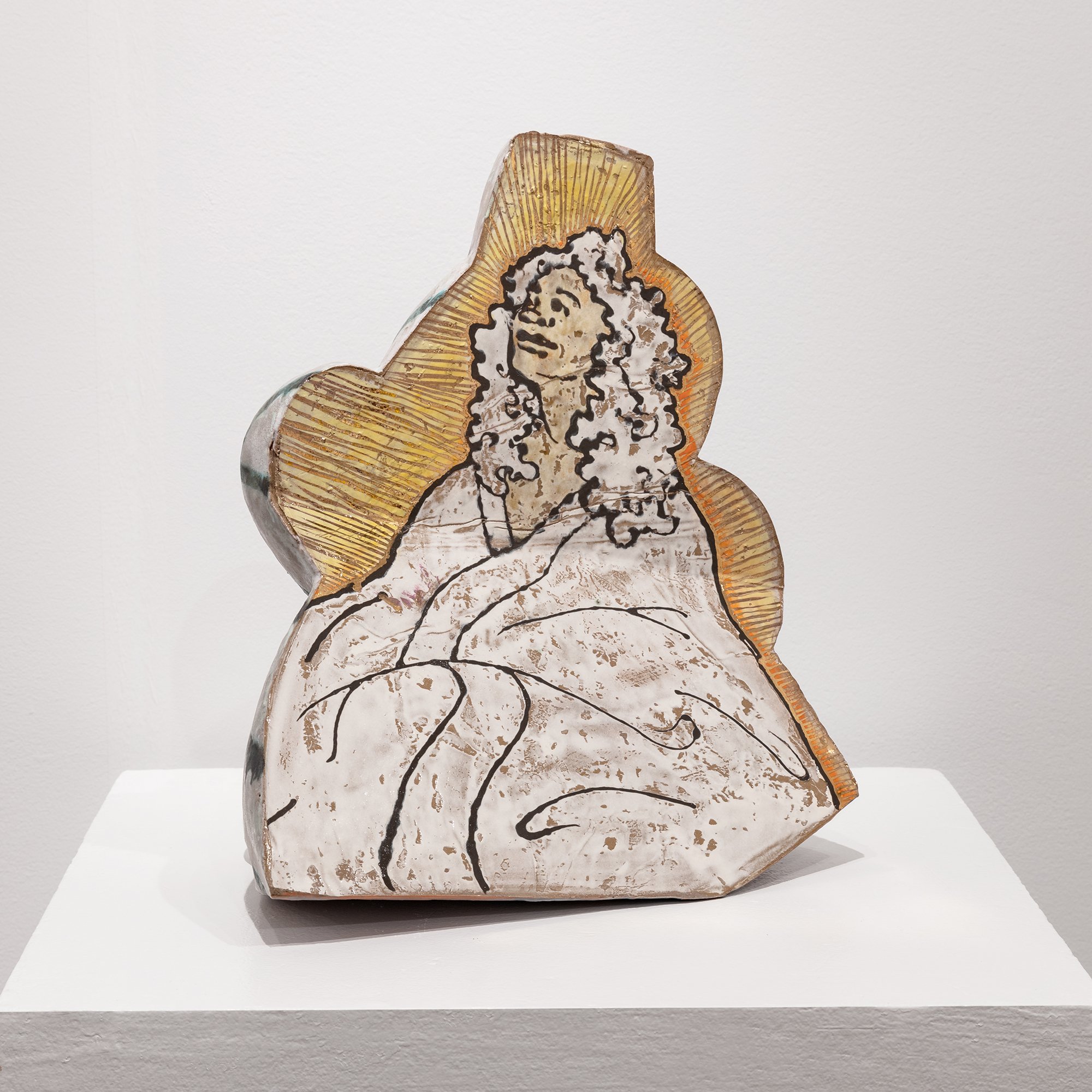
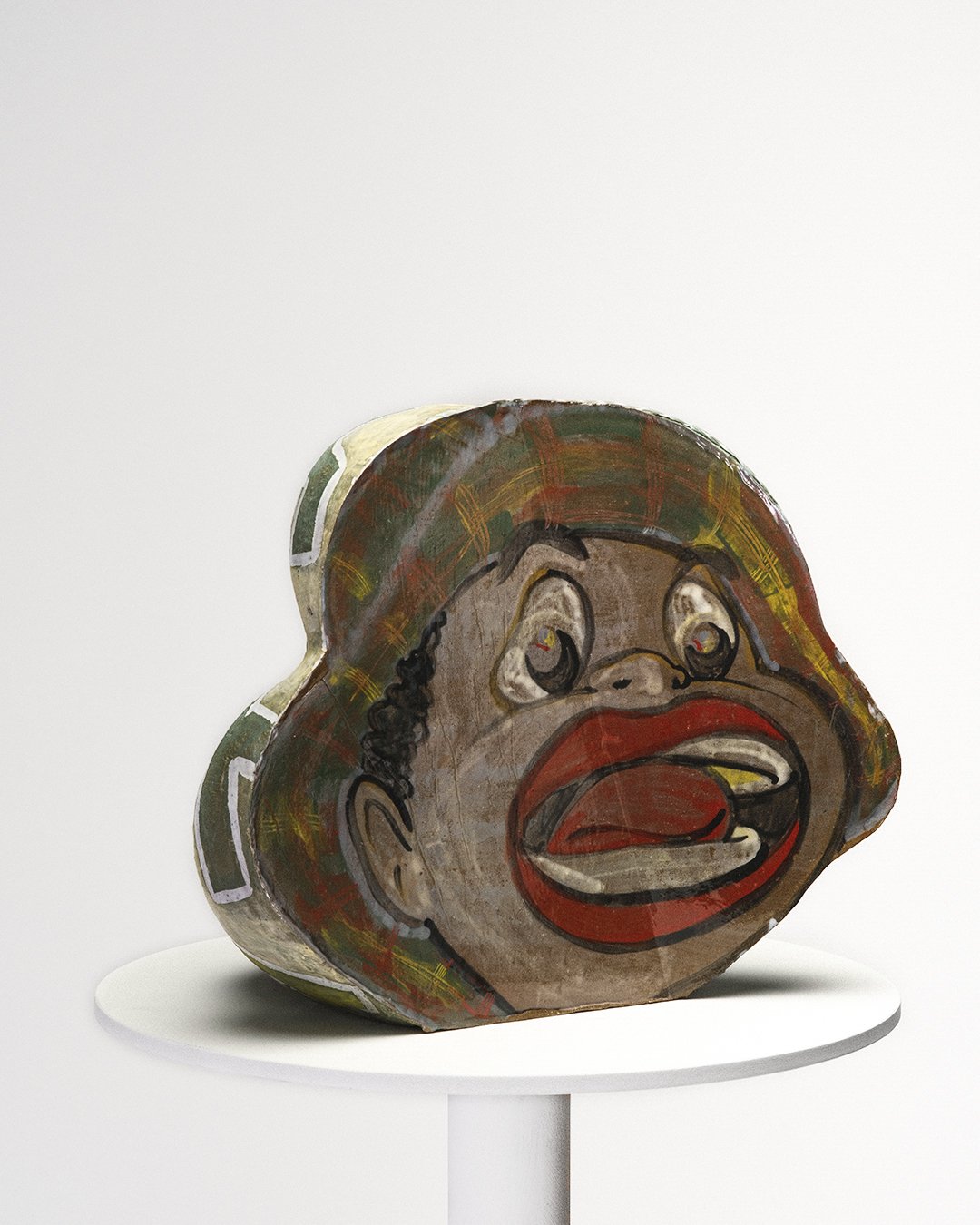
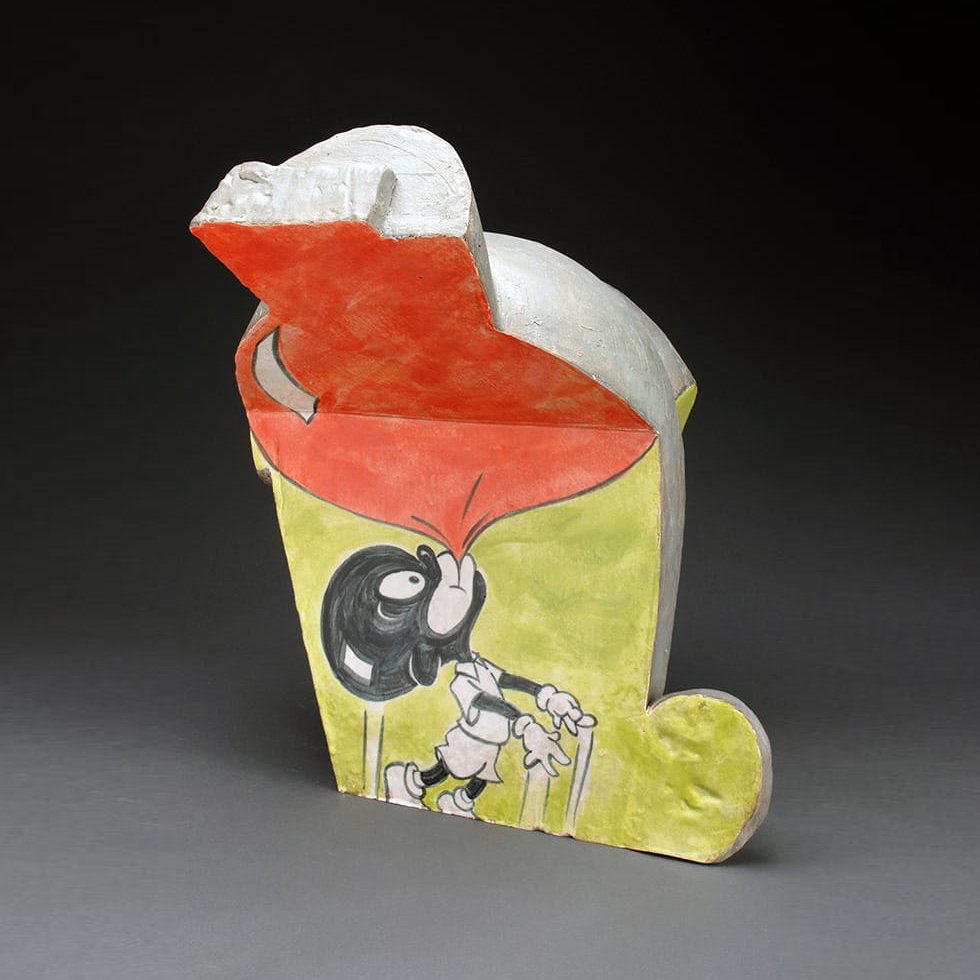
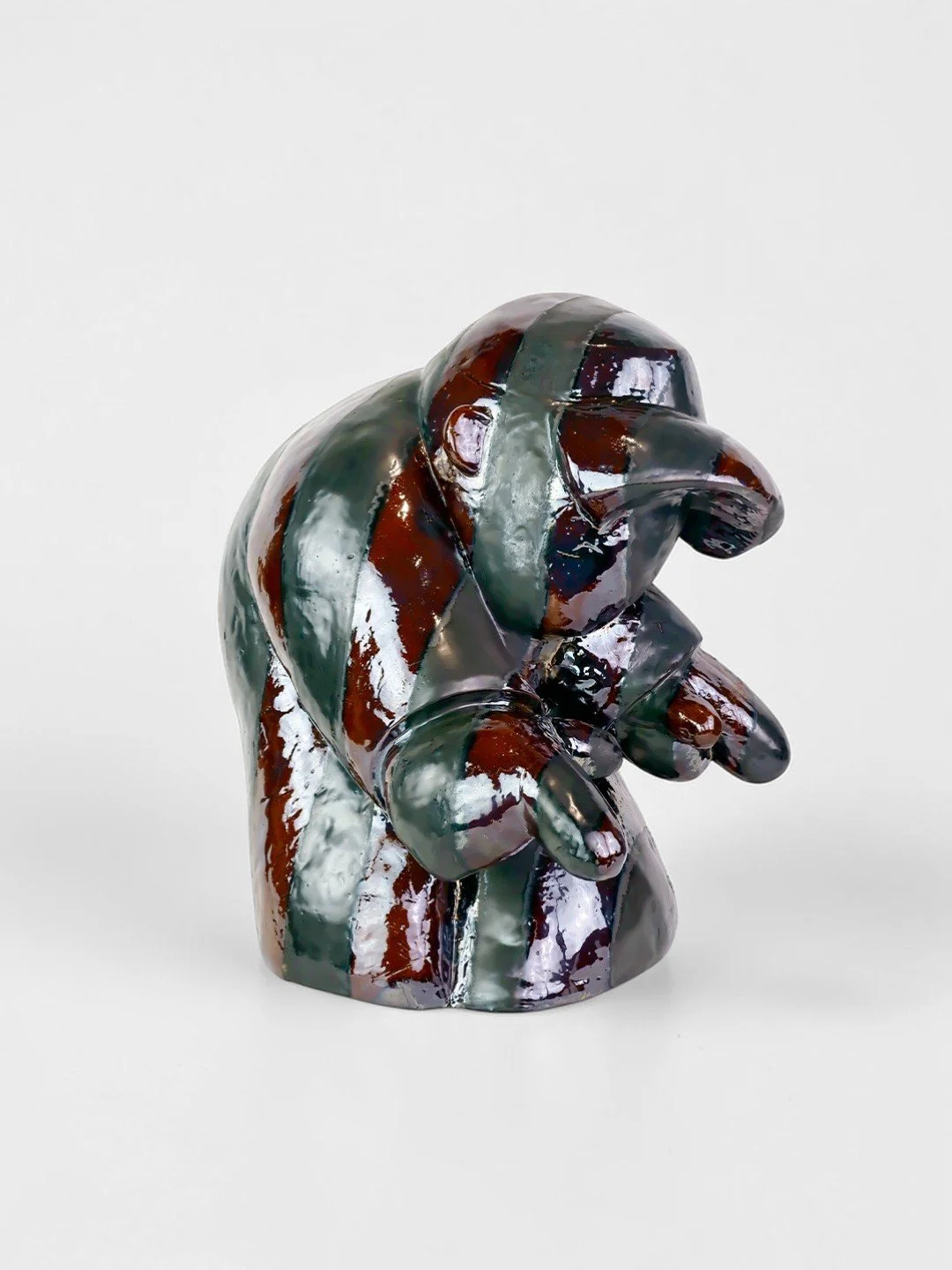
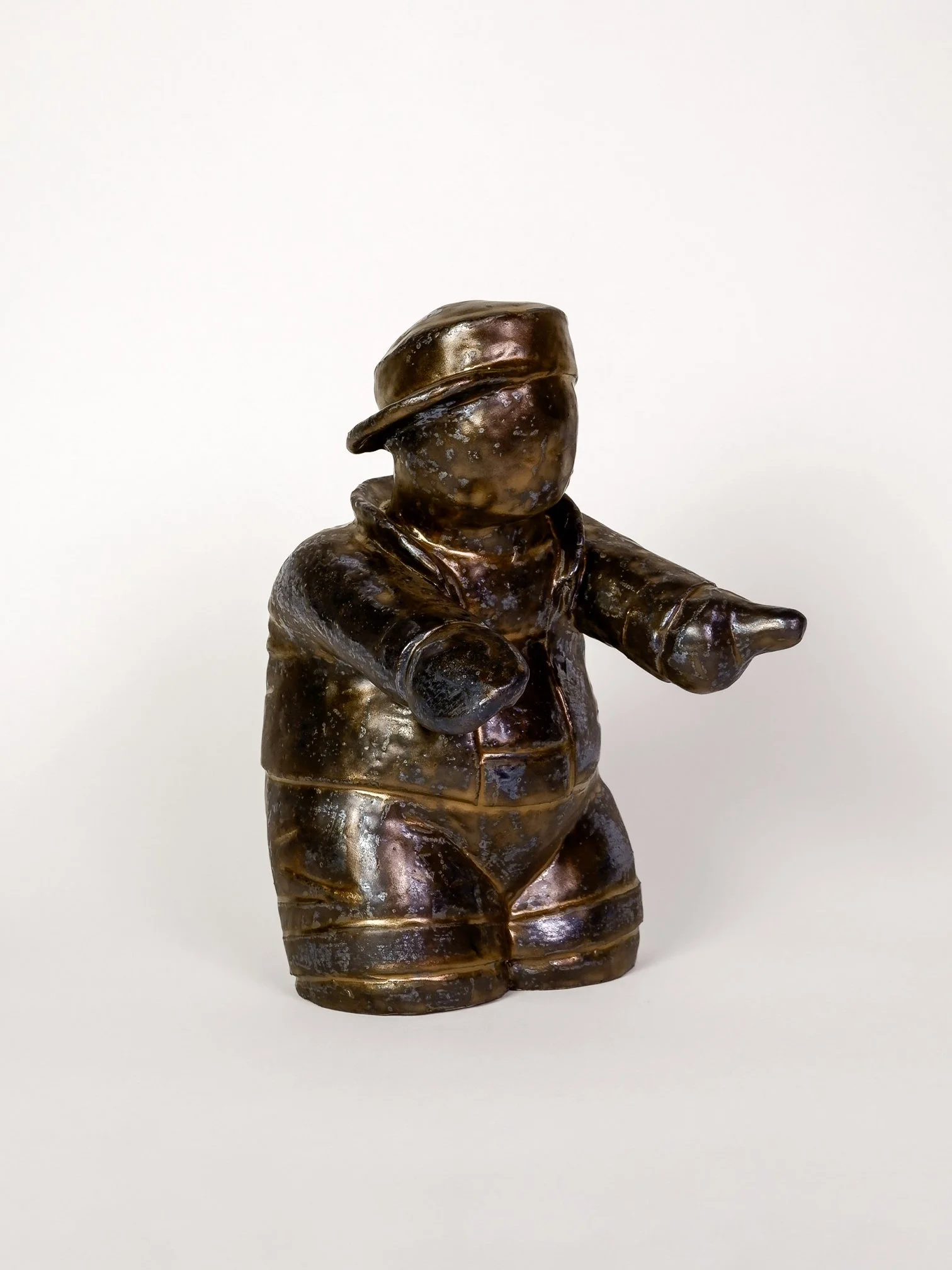
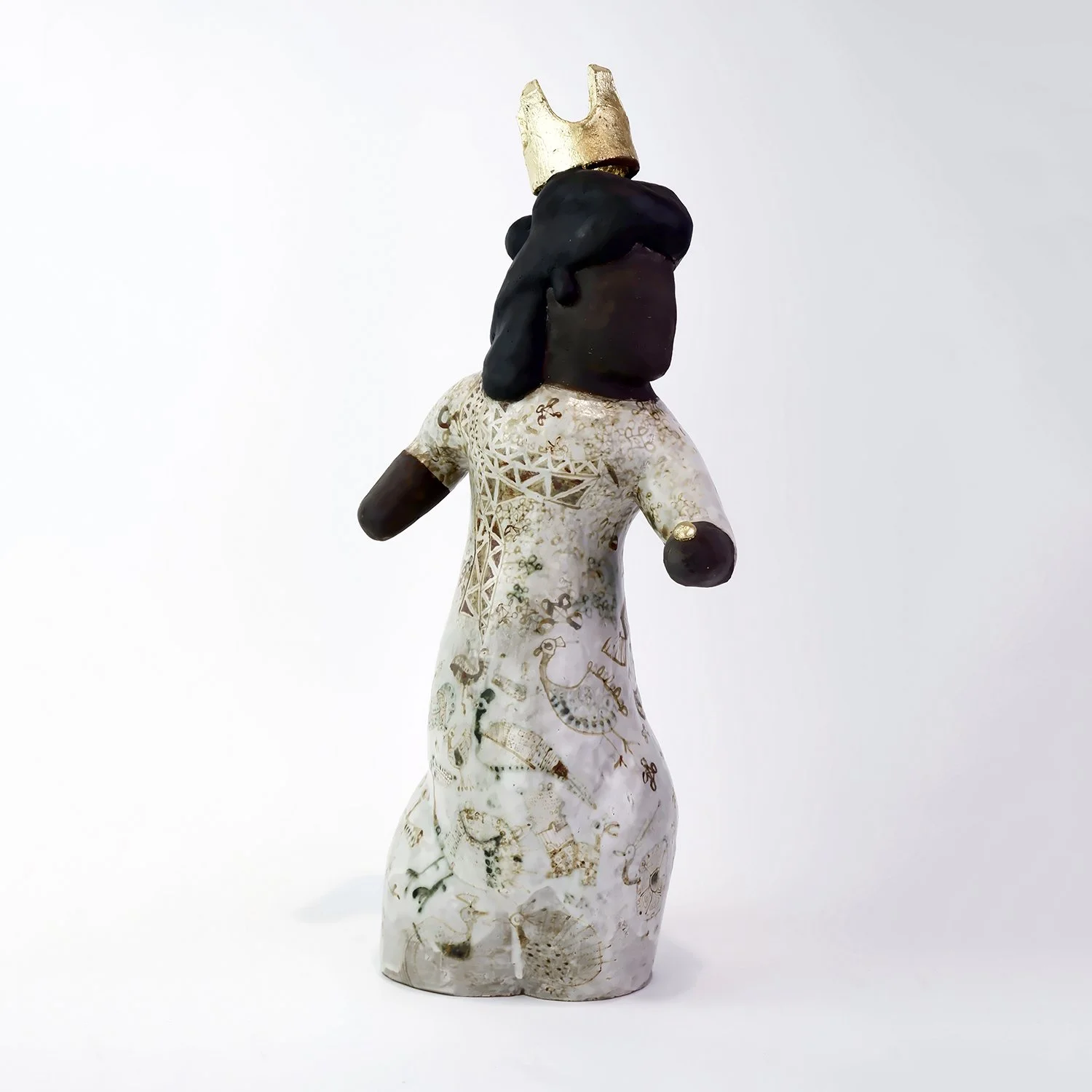
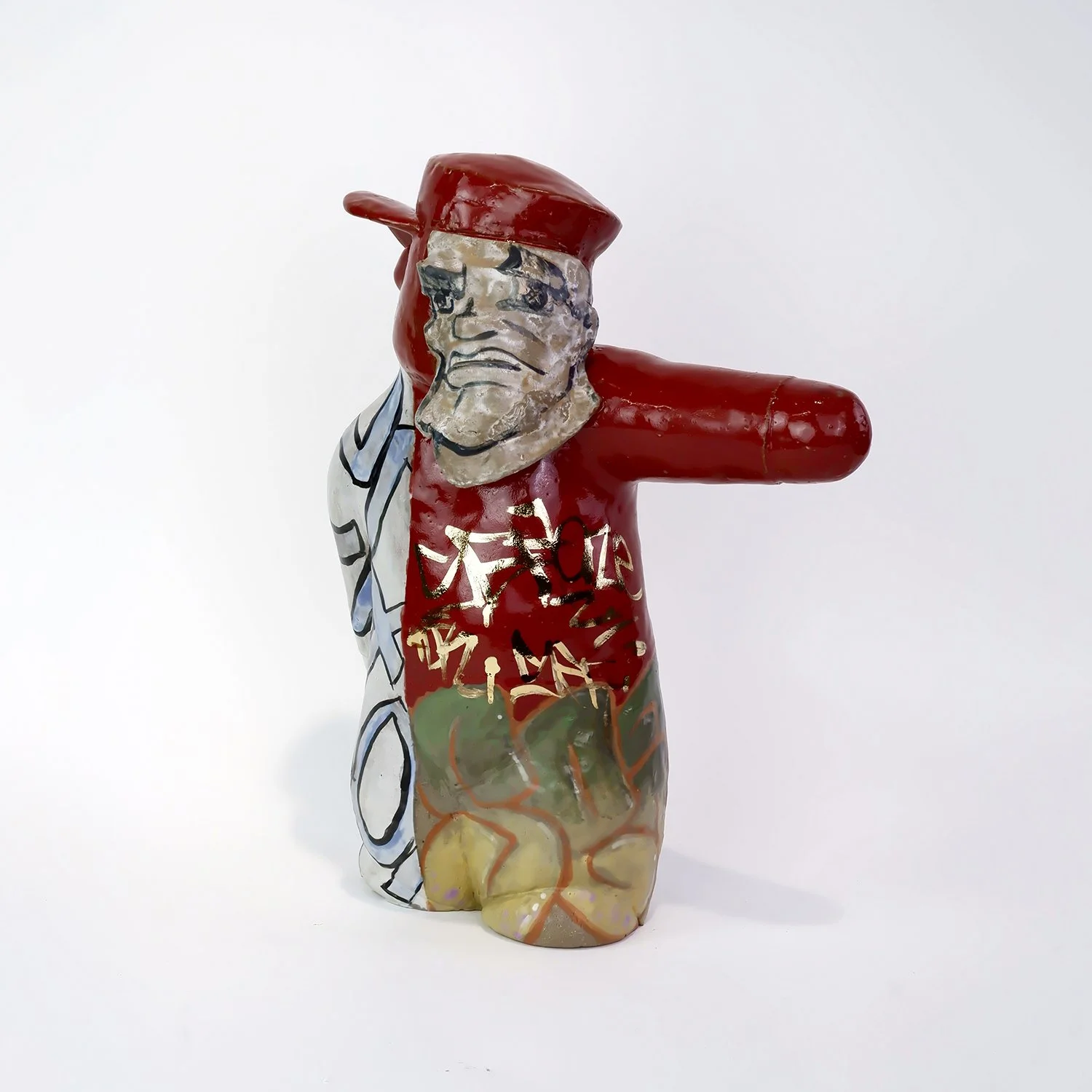
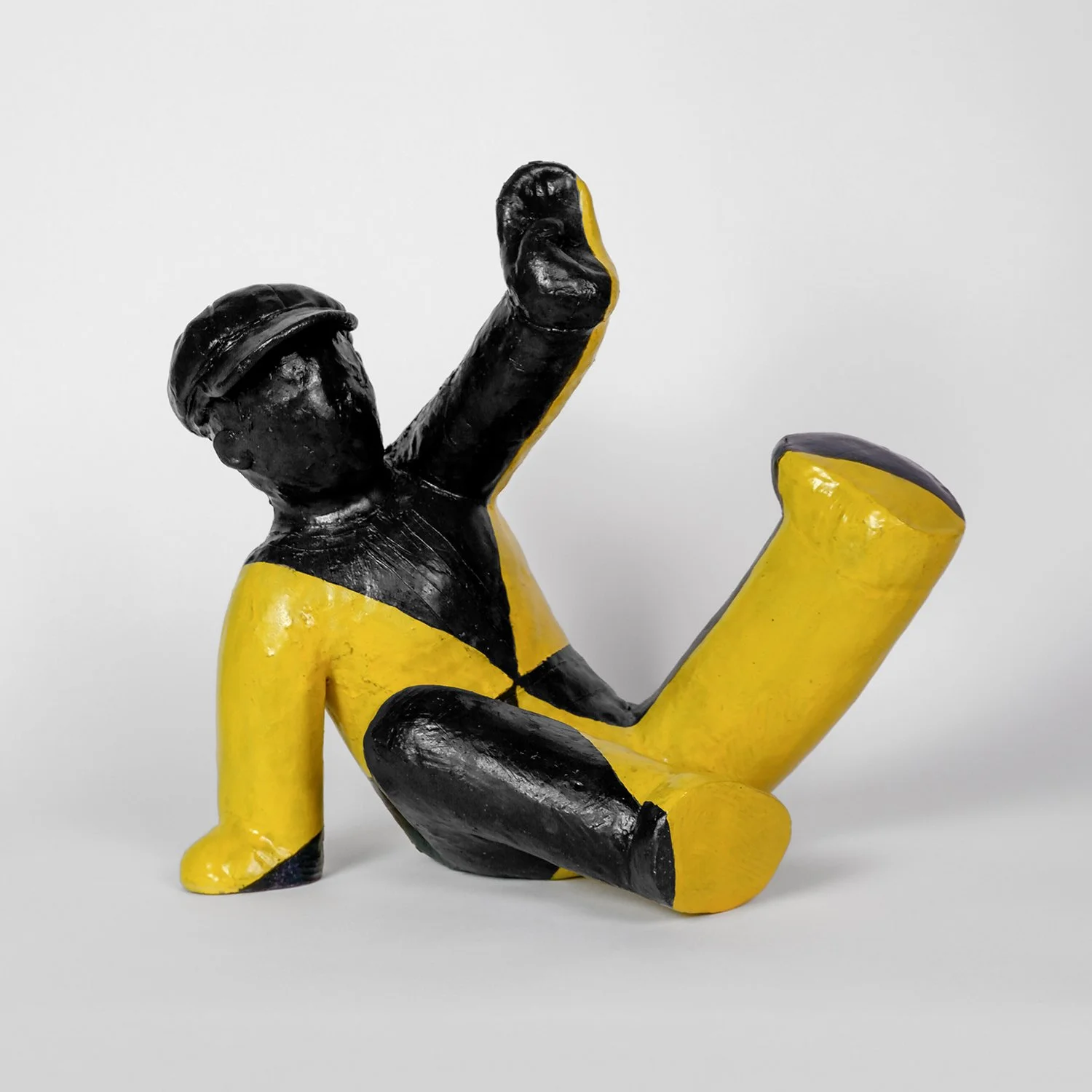
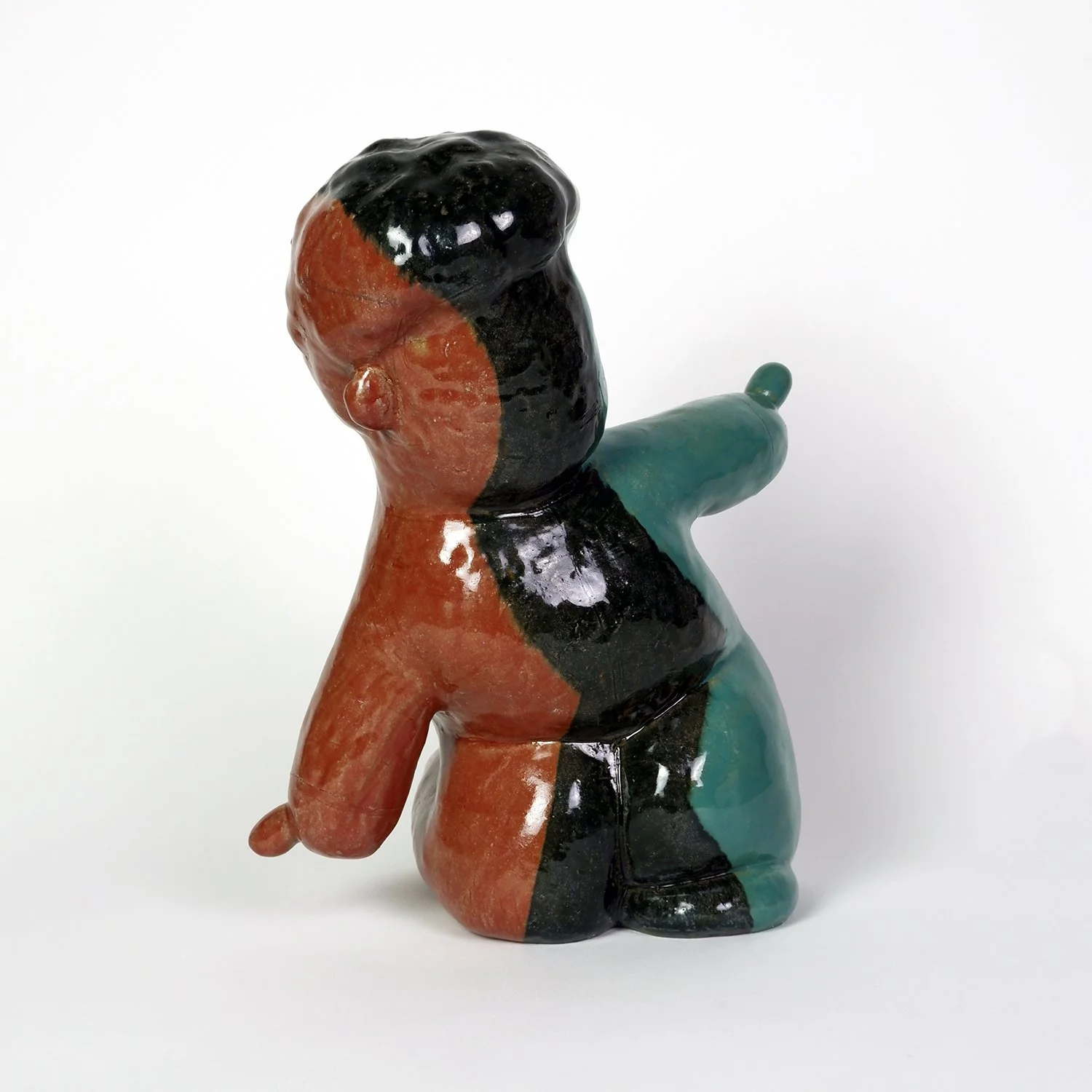
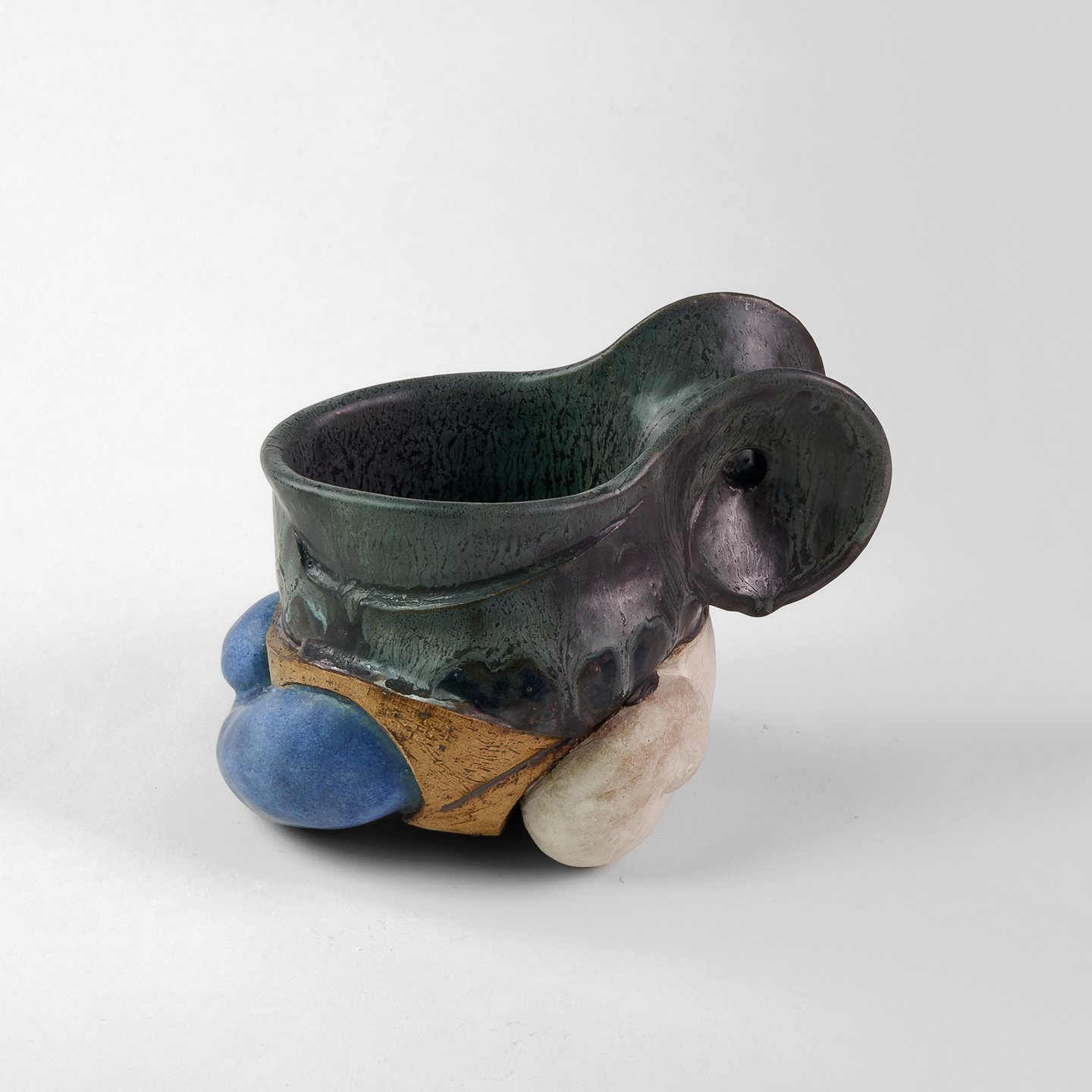
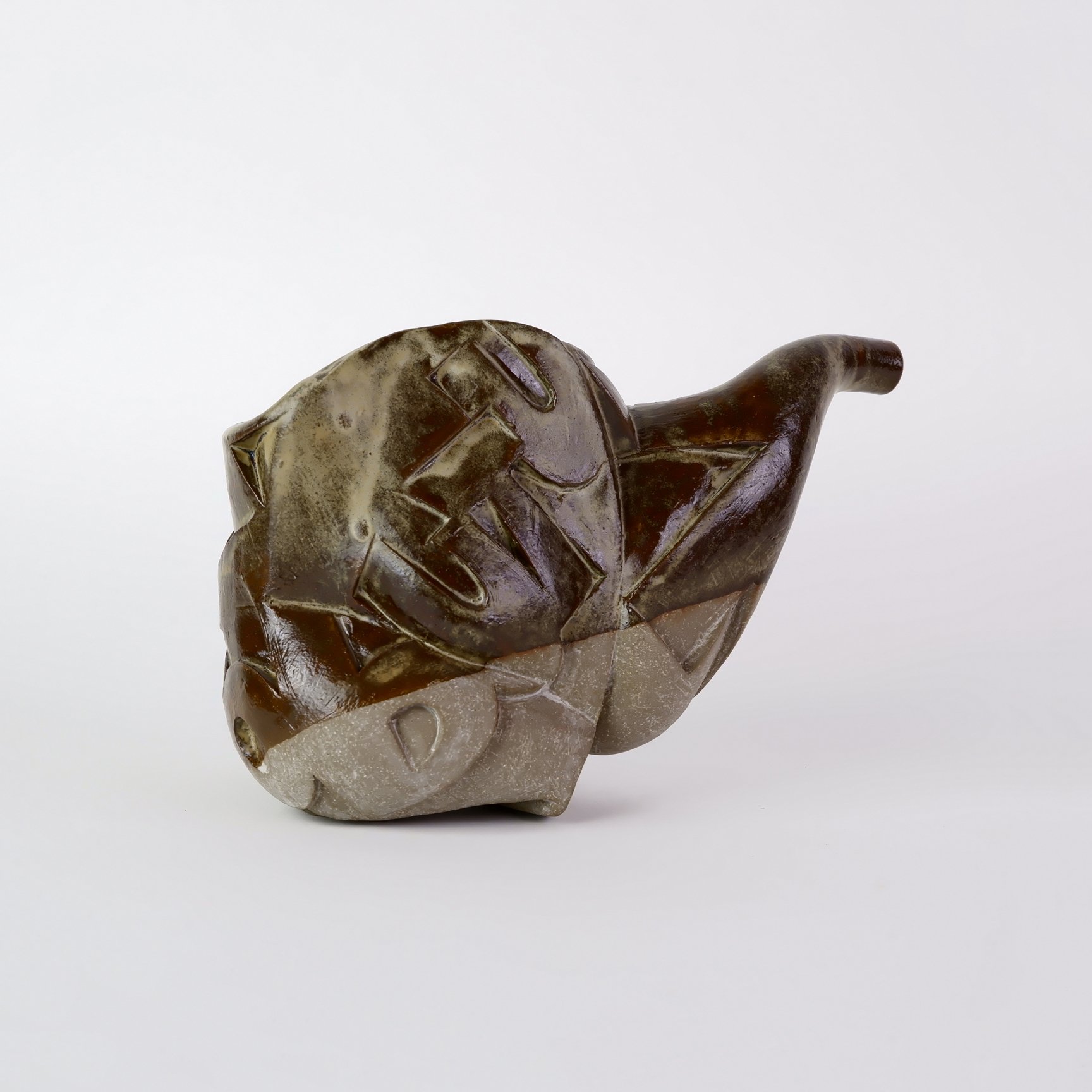
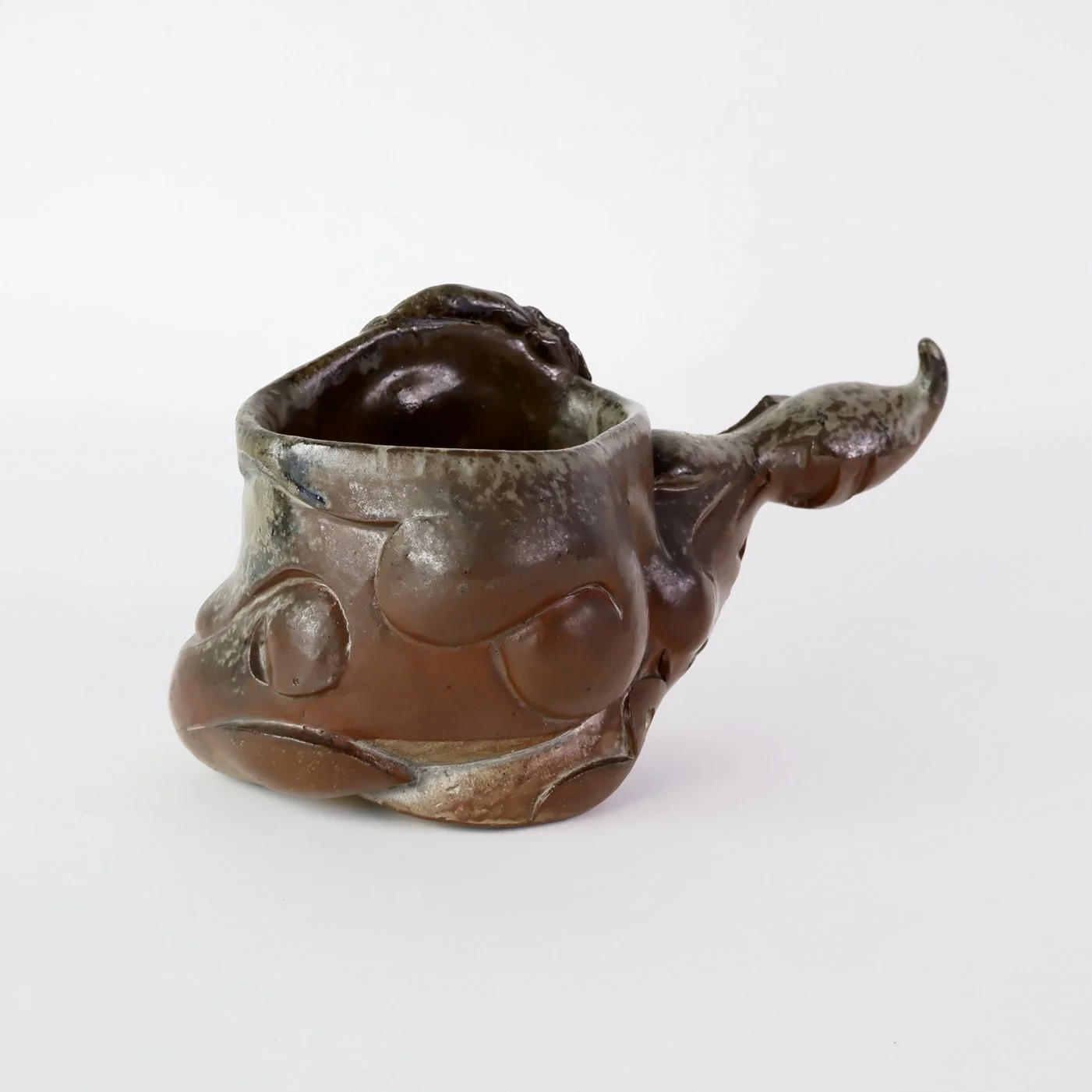
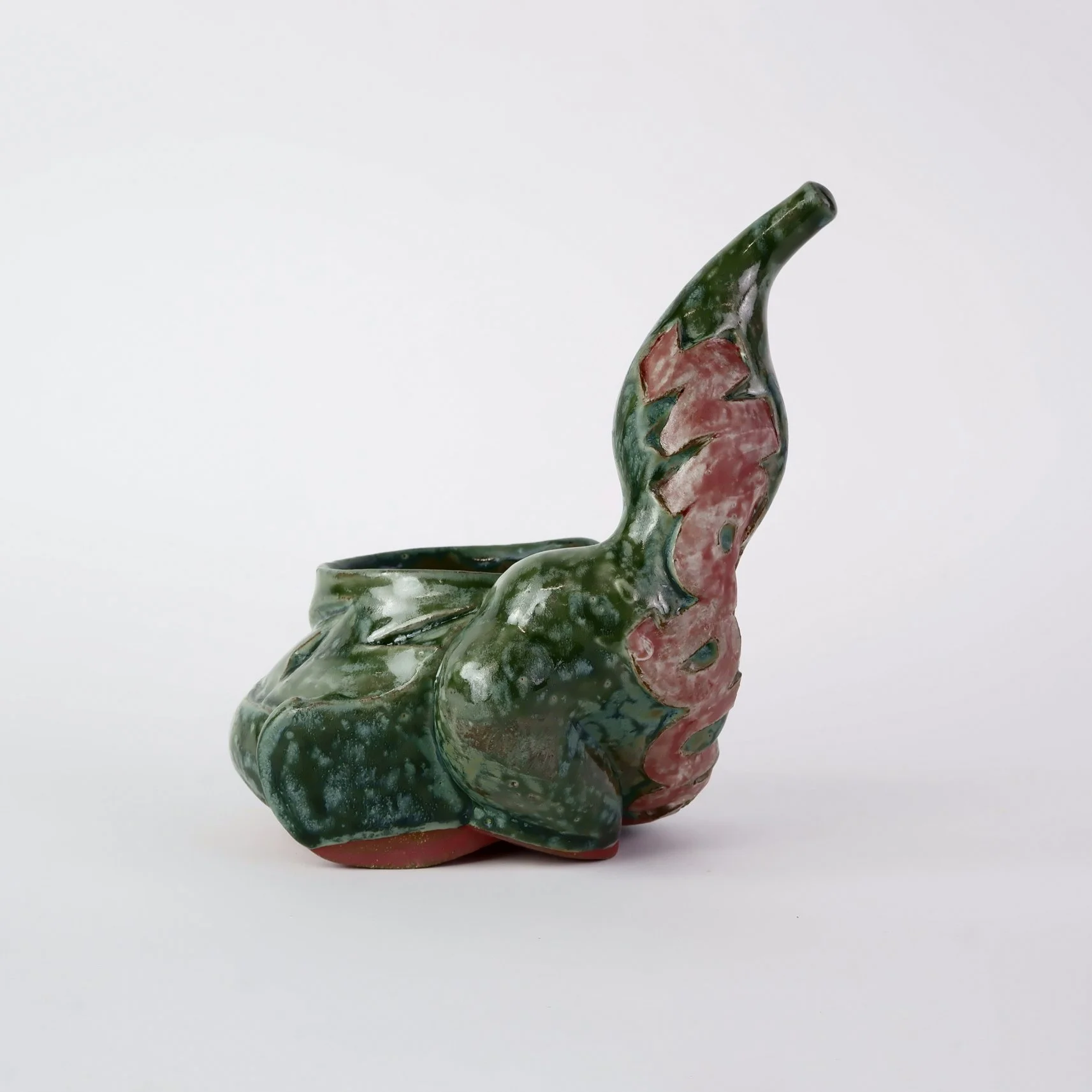
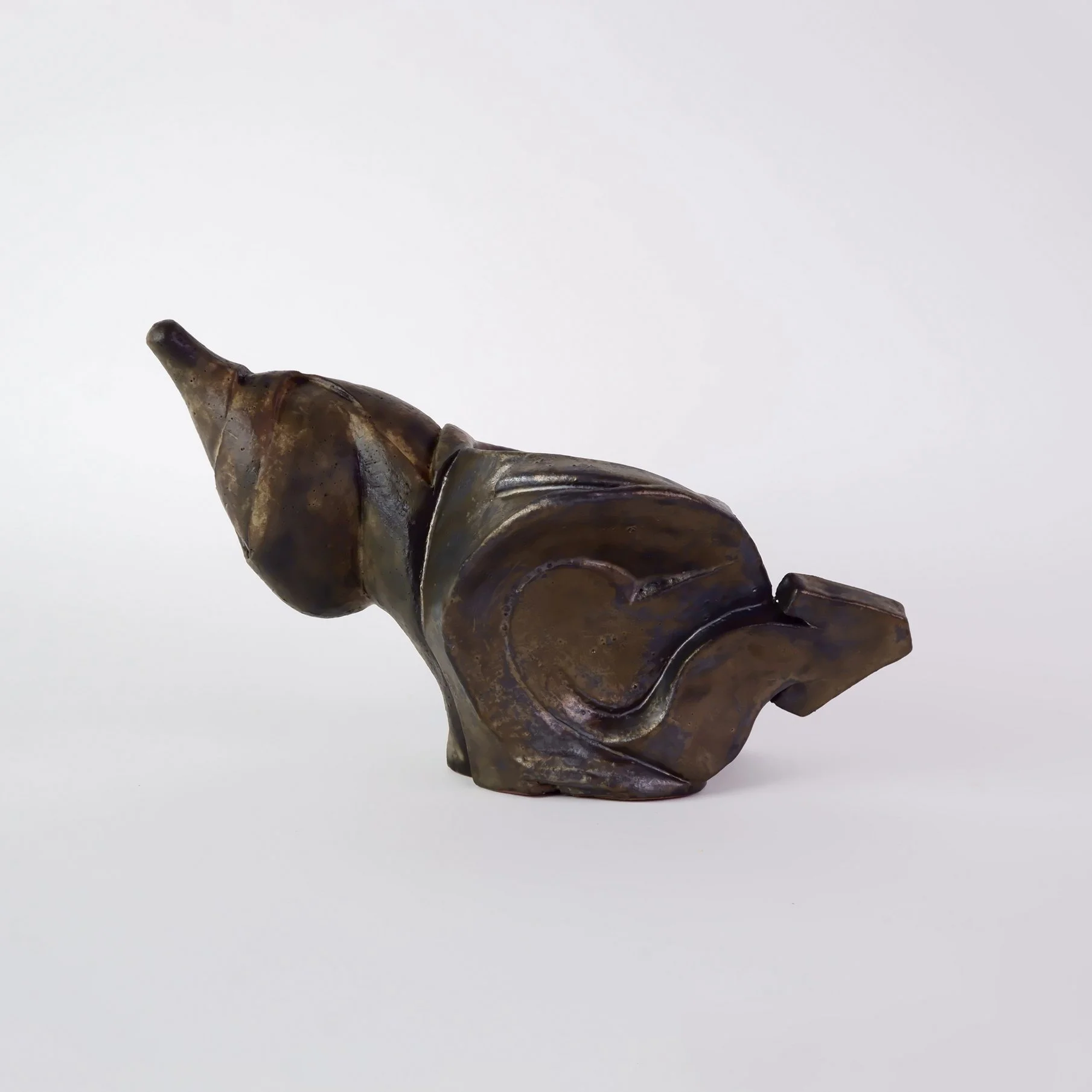
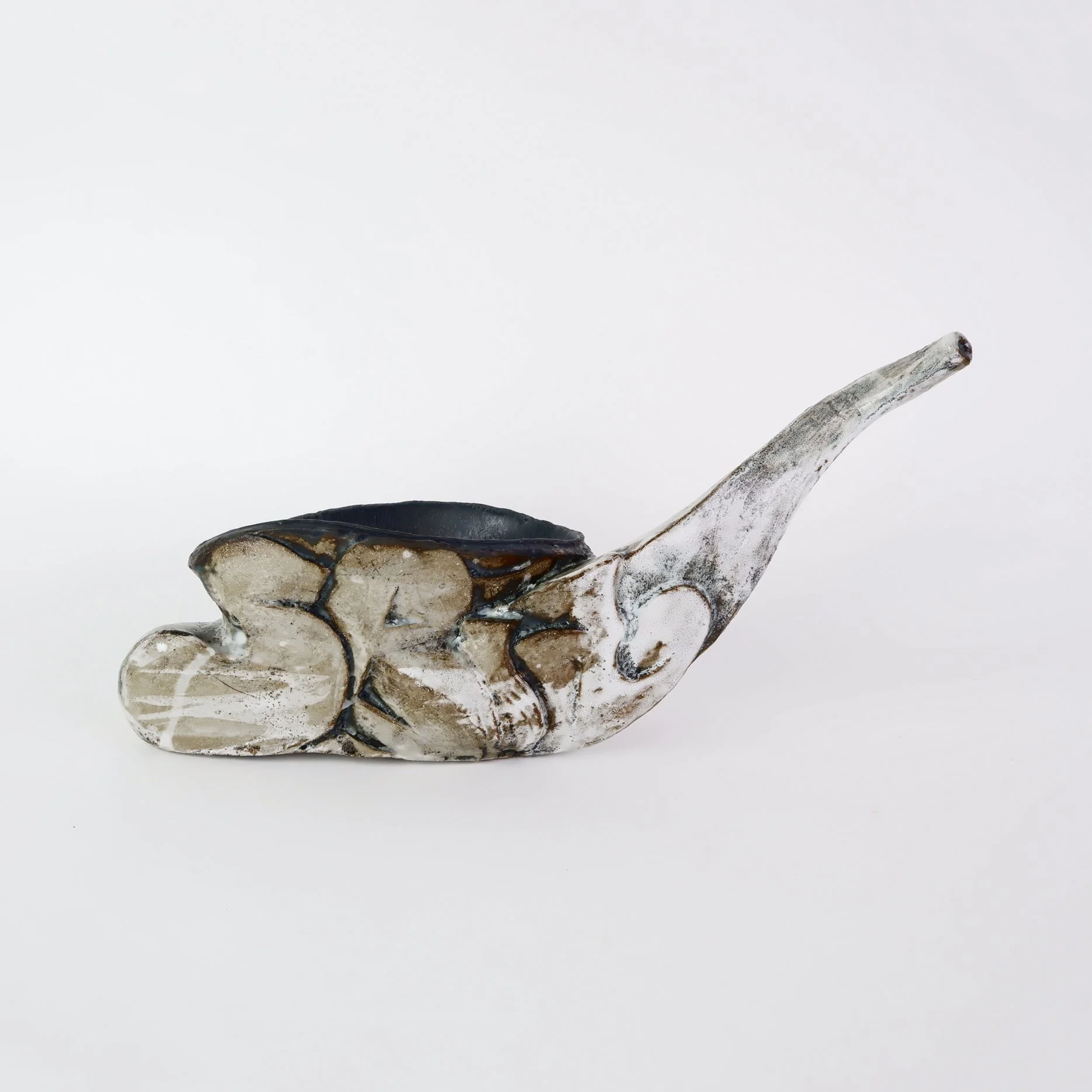
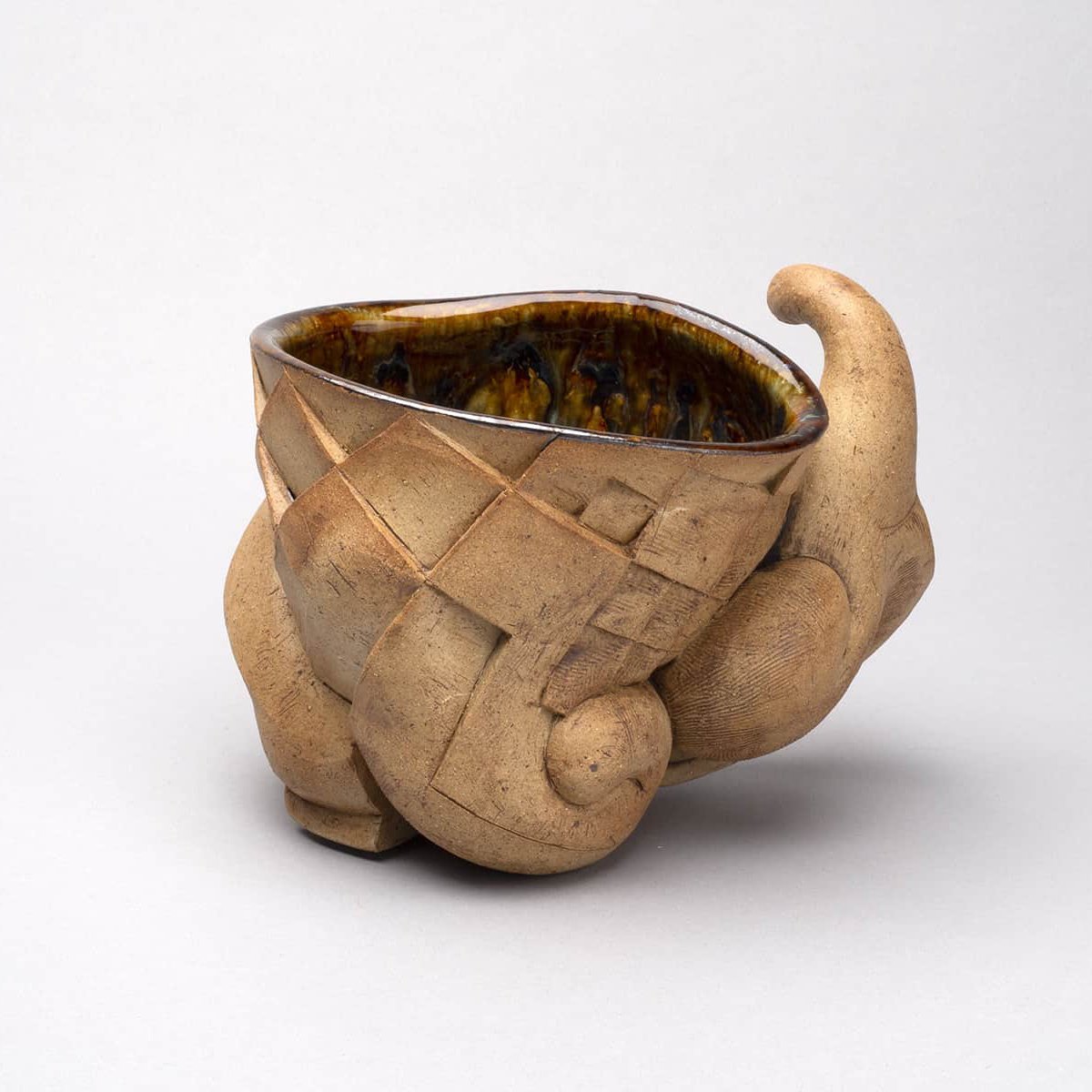
Wexler Gallery is pleased to present Signals, a solo exhibition of ceramic sculpture by Malcolm Mobutu Smith, on view from March 19 through May 22. Featuring new works alongside significant pieces spanning 2010 to 2026, the exhibition offers a focused view of Smith’s evolving practice, one that moves fluidly between play and critique, tradition and rebellion, beauty and confrontation. Rooted in a rich intersection of graffiti, comic books, hip hop, jazz, and African sculptural traditions, Smith blends wheel-thrown precision with the expressive freedom of hand-building. While his forms often reference cups, bottles, and vases, they ultimately transcend utility. The vessel becomes a site of abstraction and contradiction, standing in for the human body and the body politic, capable of both concealment and revelation.
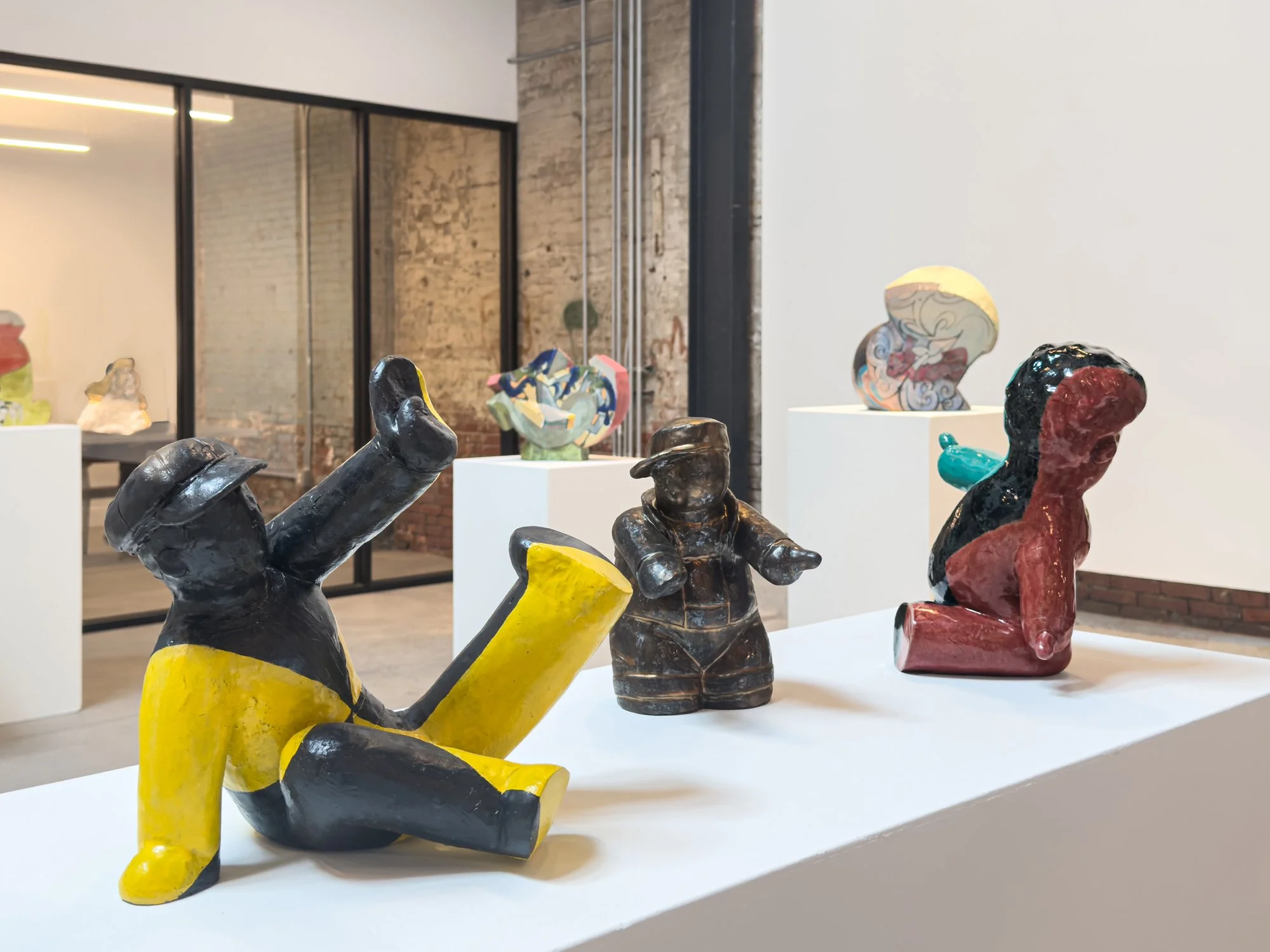
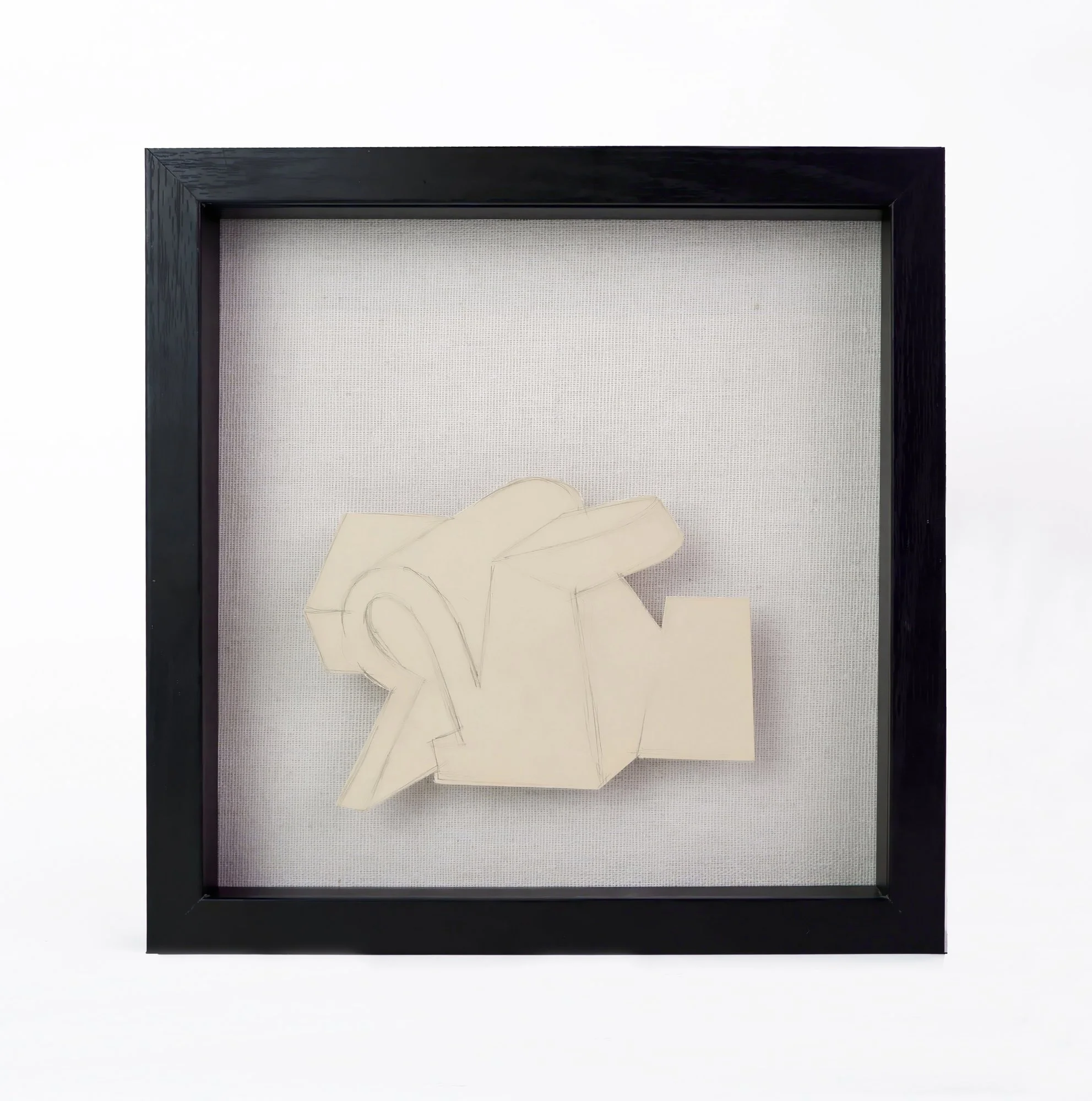
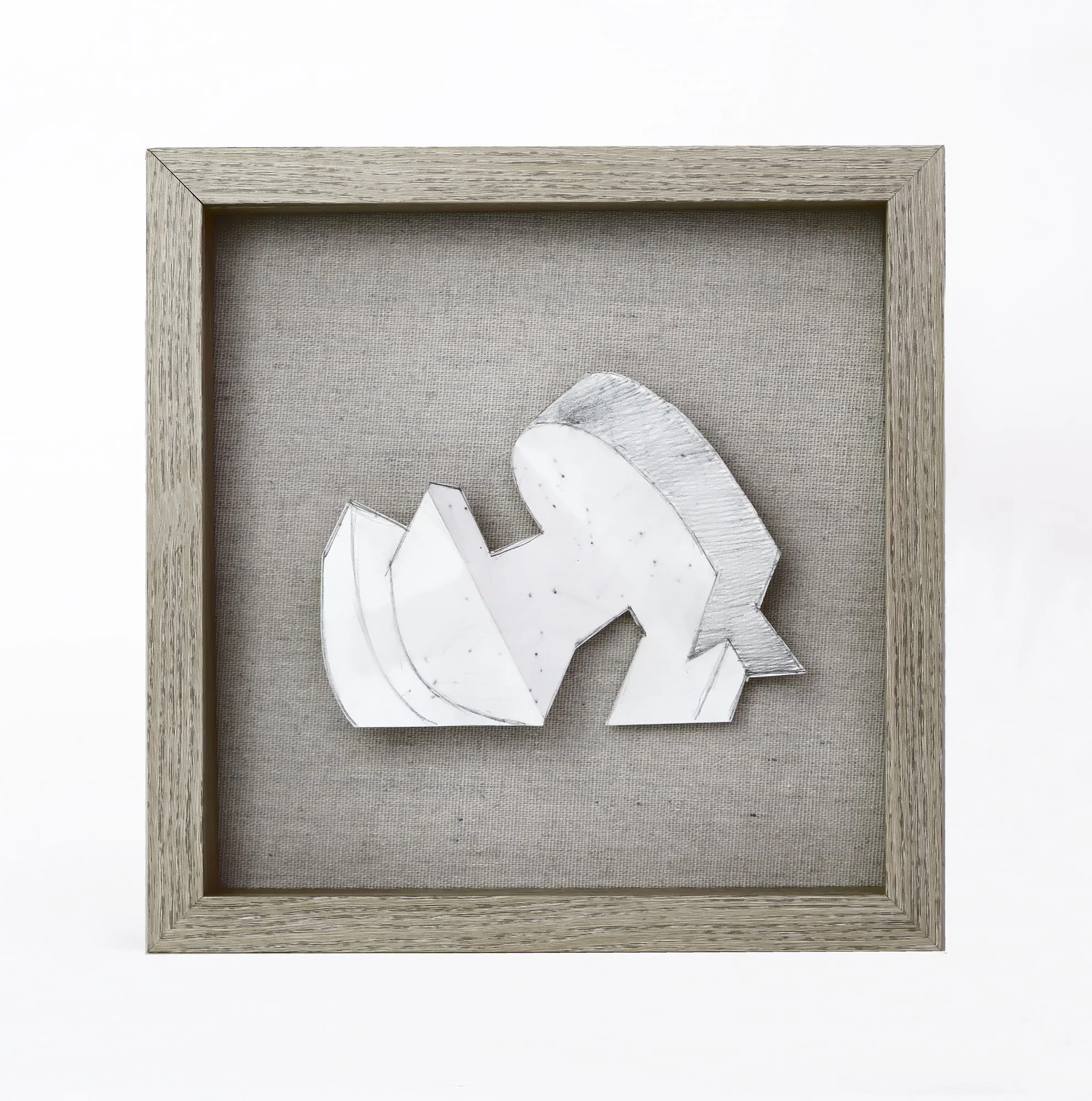
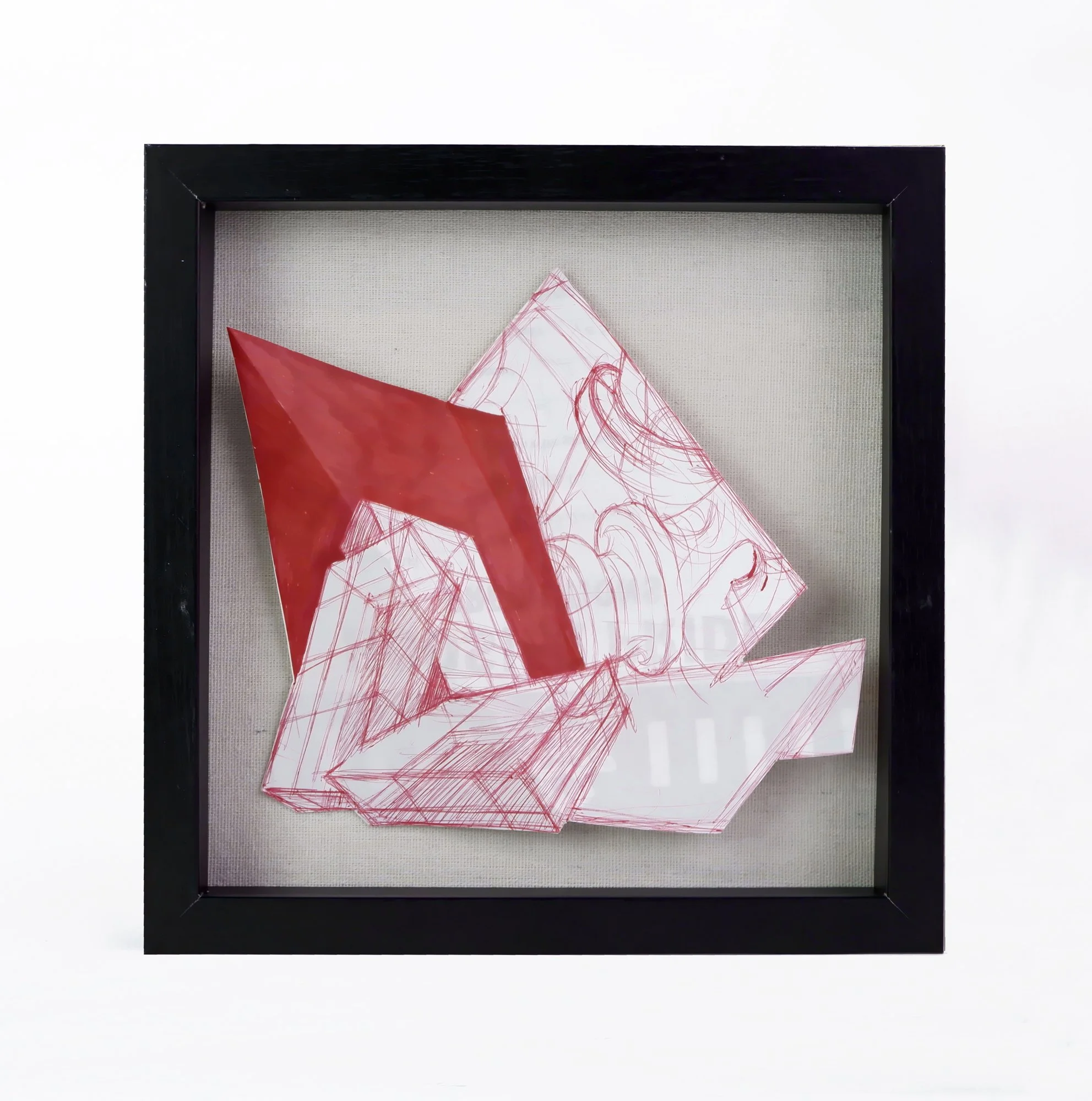
Signals takes its title from Smith’s definition of the signal as “an event or act, to incite to action, to notify, to transmit information beyond the human voice, an impulse.” Across sculpture, vessel, and drawing, Smith’s works operate as gestures in space. They “dance, lift and drop, pose and posture,” functioning as totemic forms that lead, mark, and direct attention. These objects are not static. They assert presence, acting as visual signals cut into space through silhouette, stance, and volume.
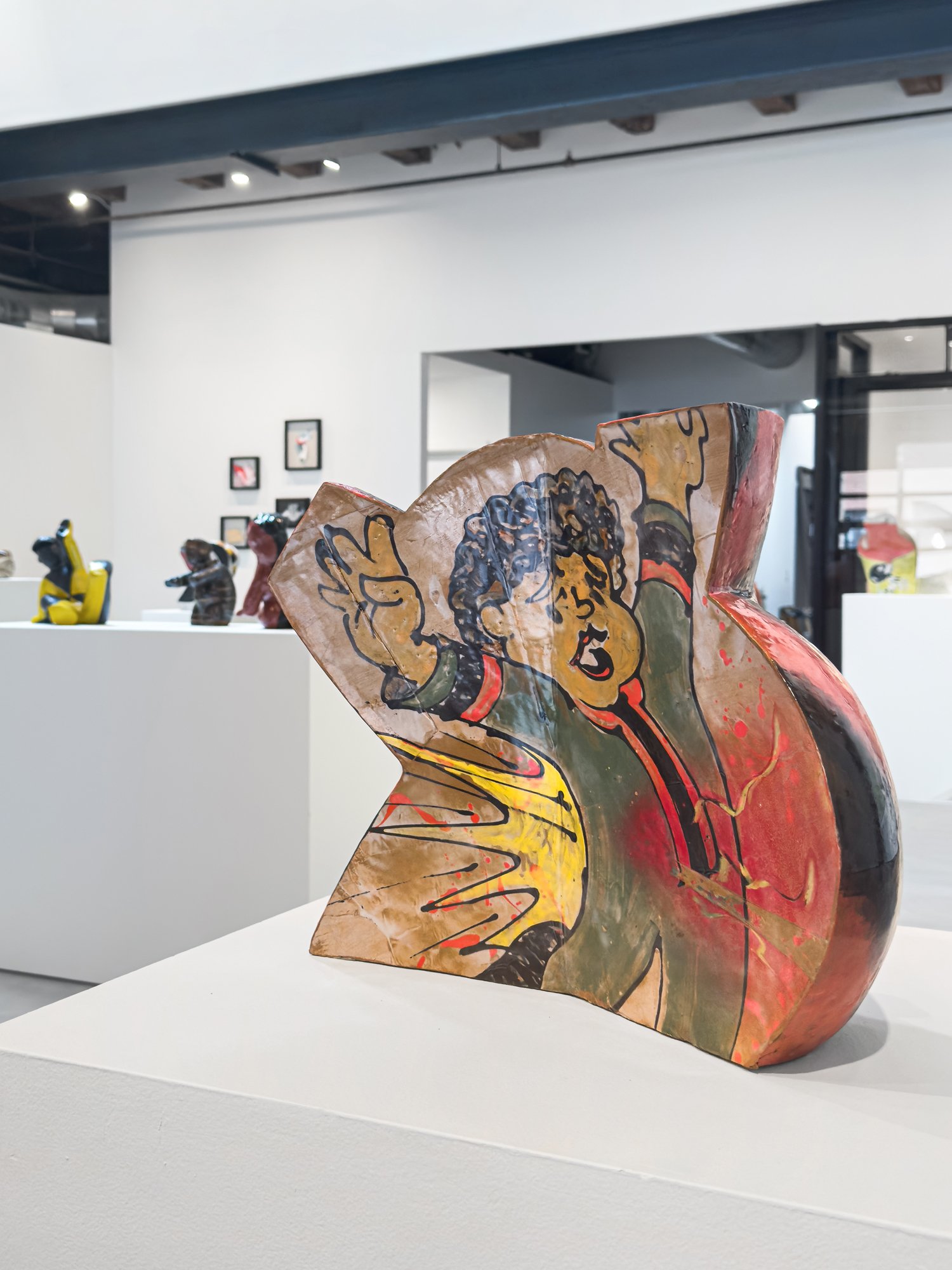
At the core of Smith’s practice is a visual language that balances sculptural volume with graphic surface. His forms often appear soft and rounded, yet animated by sharp edges, bold color, and shifting planes. As Smith notes, the works move through “parallaxes of human anxiety,” revealing and obscuring meaning at once. They resist fixed interpretation, remaining intentionally “slippery and shifting,” and communicate through gesture, material, and presence rather than narrative clarity.
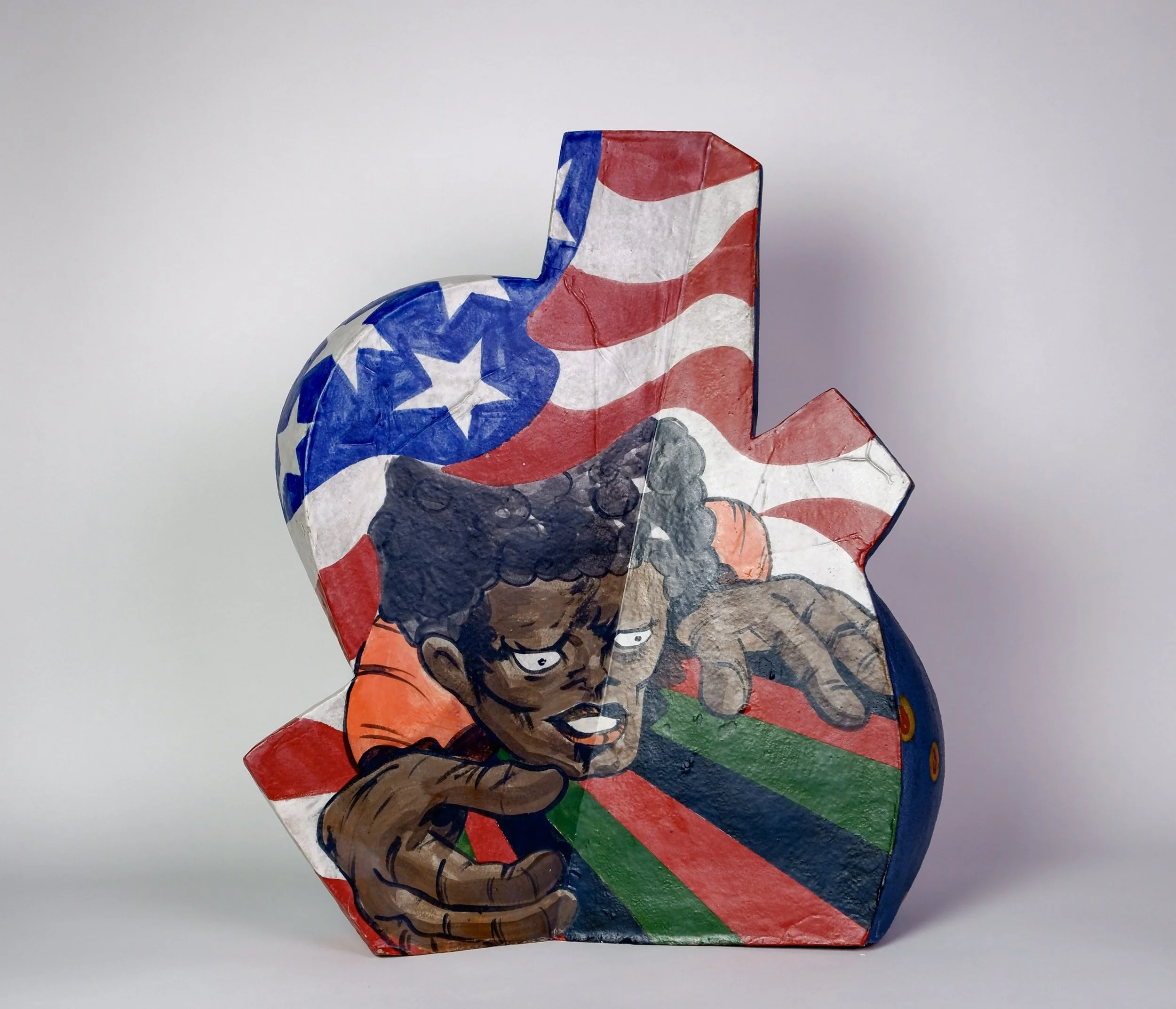
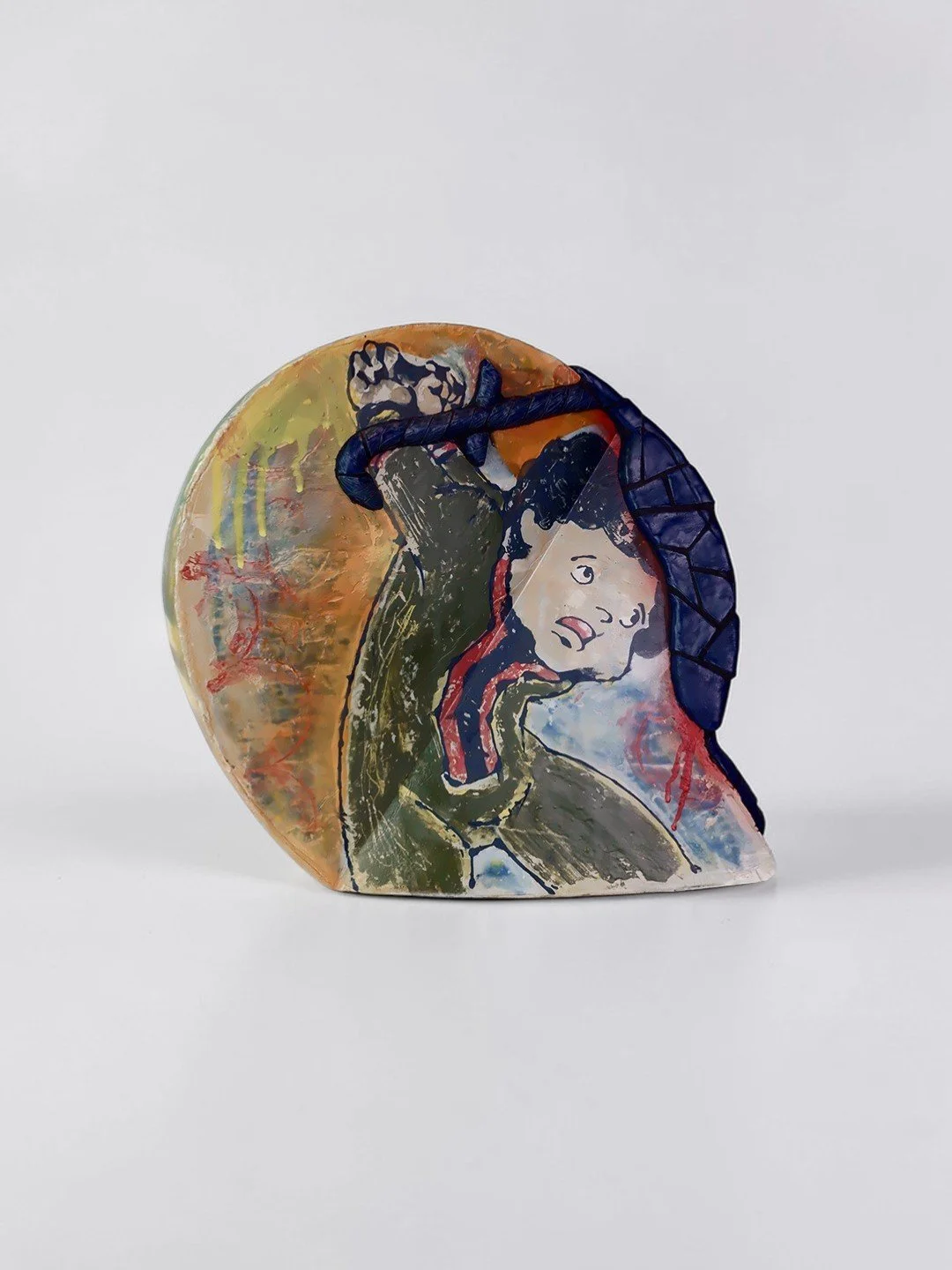
Many works in Signals embed racially charged imagery appropriated from American periodicals of the 1930s to 1950s, imagery that emerges only upon close inspection. These historical caricatures are recontextualized to confront enduring systems of racism and cultural trauma. In works such as No More Words, figures associated with pride and resilience are placed in direct tension with offensive representations, producing a charged dialogue between shame, resistance, and survival.
Smith’s approach to ceramics is shaped by his early experience as a graffiti artist working from Flint to Philadelphia, where marking space functioned as a declaration of presence. In clay, this impulse shifts from the street to the vessel, which he claims as a shared cultural form.
Since 2010, his work has responded to the turbulence of American political and social life, tracing a movement from cautious optimism to deepening disillusionment. Alongside overt social critique, the exhibition includes non-objective works that subvert traditional pottery through blocked openings, exaggerated volumes, and ornamental excess. Smith describes these as “overtly decorative embellishments to utilitarian vase forms,” embracing contradiction as a generative force.
Across its full scope, Signals reveals Malcolm Mobutu Smith’s ceramics as both seductive and confrontational. Through “the consequences of translation from the graphic to the real and back again,” Smith constructs a body of work that embraces ambiguity as a generative force. These works do not resolve meaning. They transmit it. They mark space, call attention, and invite viewers into the intersection where form, objecthood, history, and lived experience converge.
Collection



Artists + Designers

Press